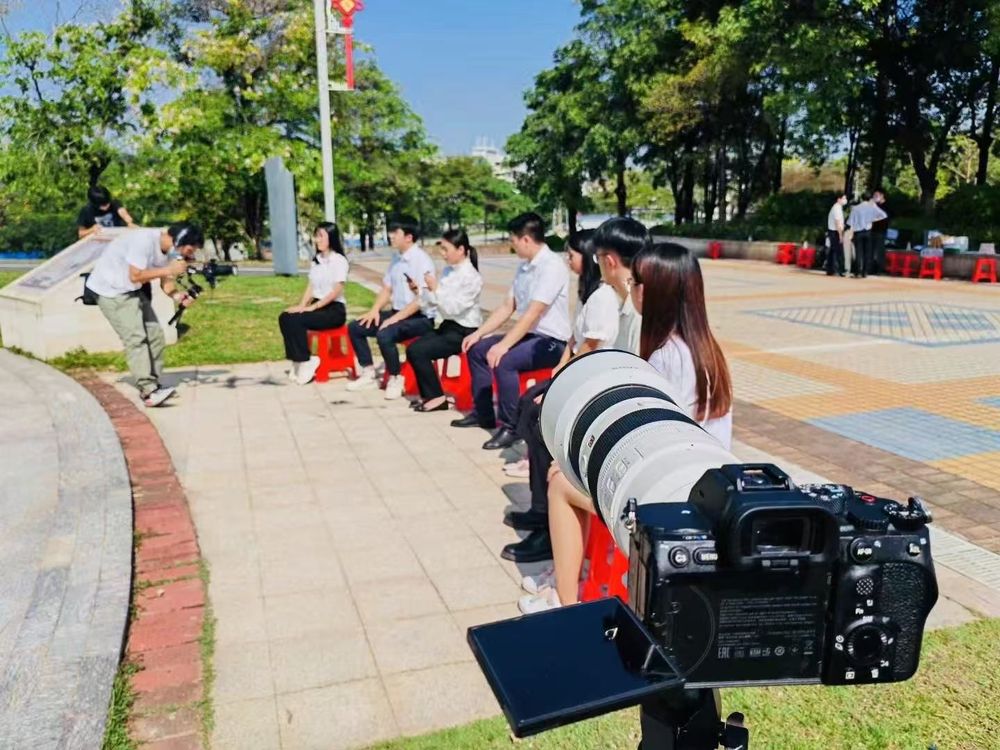
Tencent's first-quarter 2026 results report year-on-year growth of over 20% in total time spent on WeChat Channels. For B2B businesses, the opportunity is to build content around real customer questions, specialists, products, processes and project evidence that supports sustained viewing, search, sharing and sales conversations.
1. What do the official figures tell us?
Tencent's report published on 13 May 2026 says its Channels recommendation model expanded its parameter scale and improved algorithms to deliver more relevant content. Total time spent grew over 20% year on year. Combined Weixin and WeChat monthly active accounts reached 1.432 billion at 31 March 2026.
This shows growing consumption, not guaranteed traffic or customers for every business. Customers, partners, employees and industry professionals already use the WeChat ecosystem, allowing video to connect with official accounts, search, WeCom, direct customer communications and offline sales.
Tencent's second-quarter results were scheduled for 12 August. As of the Chinese article's 10 August cutoff, Q1 2026 remained the latest formally published quarterly data.
2. Treat Channels as more than a place to post short videos
B2B purchasing involves capabilities, product differences, delivery, technical teams and service assurance, often with several decision-makers. Entertainment trends and event group photos rarely answer these questions fully.
Use short videos as an entry point to a clear question or insight, fuller interviews, demonstrations and cases to build trust, and website service pages and briefs to support further enquiries.
3. Establish six enduring content categories
1. Customer questions
Collect recurring questions from sales, customer service and project meetings: pricing, timelines, alternatives and preparation. Answer one question per video, using language customers actually search for or ask.
2. Specialist perspectives
Founders, technical leads, product and project managers and frontline staff should explain their judgement. Credibility comes from specific experience, with a clear topic, evidence and limits, rather than uniform slogans.
3. Products and processes
Film structures, applications, manufacturing, testing, materials and delivery details. Images should explain how the business works, why it works that way and what this means to the customer.
4. Real projects and working sites
With permission and confidentiality boundaries confirmed, explain goals, challenges, methods and publishable results. If clients cannot be named, use approved anonymised processes and reasoning; do not invent figures or testimonials.
5. Company news and behind-the-scenes work
Exhibitions, training, shoots, deliveries and teamwork can supplement core content. Explain their relevance to customers, products or expertise rather than posting photos with a generic completion message.
6. Industry changes and interpretation
Choose platform, technology, policy and communication changes that affect customer decisions. Cite formal sources and explain practical actions, bringing topical stories back to useful advice.
B2B filming should organise people, settings and cameras around concrete questions, rather than only recording an event's surface.
4. How can one shoot support regular updates?
Choose a monthly theme, then capture a fuller interview or company feature as a master, with individual answers, product details, process explanations and behind-the-scenes clips. Retain assets for website covers, sales presentations and later edits.
Prepare questions, participant roles, required products and locations, both aspect ratios and publishing channels. The aim is to reduce repeat coordination and accumulate useful business assets, not mechanically increase video volume.
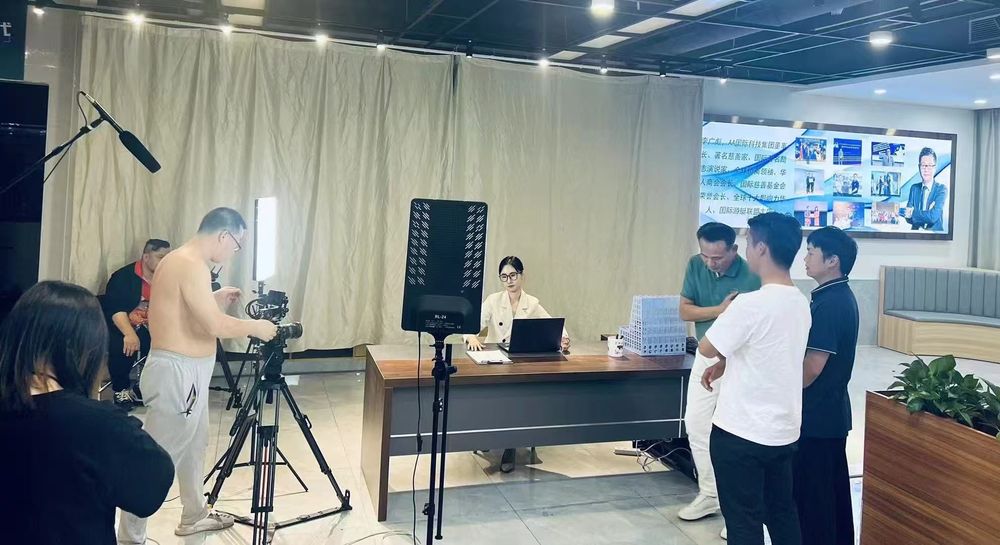
Plan interview questions, key messages, images, lighting and sound in advance to support both complete pieces and short excerpts.
5. Prioritise a sustainable publishing schedule
Start at a frequency the team can maintain. Build a four-week topic plan with owners, sources, filming dates, reviewers and destinations. Use results to refine topics rather than posting low-value content simply to meet a daily quota.
A useful structure is customer question, expert answer, evidence or on-site demonstration, then a next step. Lead quickly with the issue, support it with verifiable information and guide viewers to services, cases or a brief. Avoid promises of guaranteed leads or viral success.
6. Which metrics matter for B2B Channels?
Views measure reach but are not the only criterion. Depending on the objective, monitor meaningful viewing, completion, saves, shares, search visits, profile and service-page visits, sales-team usage and qualified enquiries.
A low-view technical video can still be valuable if salespeople repeatedly share it with relevant customers and it reduces repeated explanations. Distinguish awareness, education, sales support and lead handling rather than judging all content identically.
7. Three common mistakes
1. Reading an official-account article over images without redesigning its opening, examples and visuals for video.
2. Filming only the leader, without products, real workflows or working environments to support the views expressed.
3. Expecting immediate enquiries from every video. Assess content according to its role in awareness, explanation, comparison and sales support.
8. Frequently asked questions
Must the owner appear in every B2B video?
No. Choose speakers by topic. Founders suit positioning and industry judgement; specialists can explain products, processes, delivery and after-sales service.
Do we need Channels content if we already have a corporate film?
A corporate film gives a complete introduction; Channels supports regular answers to specific questions. Reuse accurate, rights-cleared footage while adding interviews, vertical shots and new product details.
Can content also be used on Douyin and the website?
Topics and footage can be shared, but adapt titles, duration, format, subtitles and next steps. Websites need fuller explanations and long-term search value; short-video platforms benefit from one focused question and a quick opening.
9. RAY STUDIO's recommendation
Collect the twenty questions salespeople answer most often. Select topics for founders, technical staff, product managers and project leads, then create monthly topic, filming and delivery plans. This is easier to sustain than chasing trends.
Business short-video operations: https://raystudio.art/services/dongguan-douyin-daiyunying
Founder personal branding: https://raystudio.art/services/dongguan-founder-ip
Related reading: https://raystudio.art/news/yejwje5irw0d52cdvmuui3be
Project brief: https://raystudio.art/contact#project-brief-form
10. References and content note
Tencent Q1 2026 results release, 13 May 2026: https://static.www.tencent.com/uploads/2026/05/13/aaeed028d215a9612da4b41aca17708b.pdf
Tencent Weixin and WeChat product page: https://www.tencent.com/zh-cn/products/weixin-wechat/
Prepared by the Guangdong RAY STUDIO team using Tencent's public materials and common commercial-content planning, filming and operations workflows. Platform figures refer to their source dates and are not traffic or lead-generation guarantees.