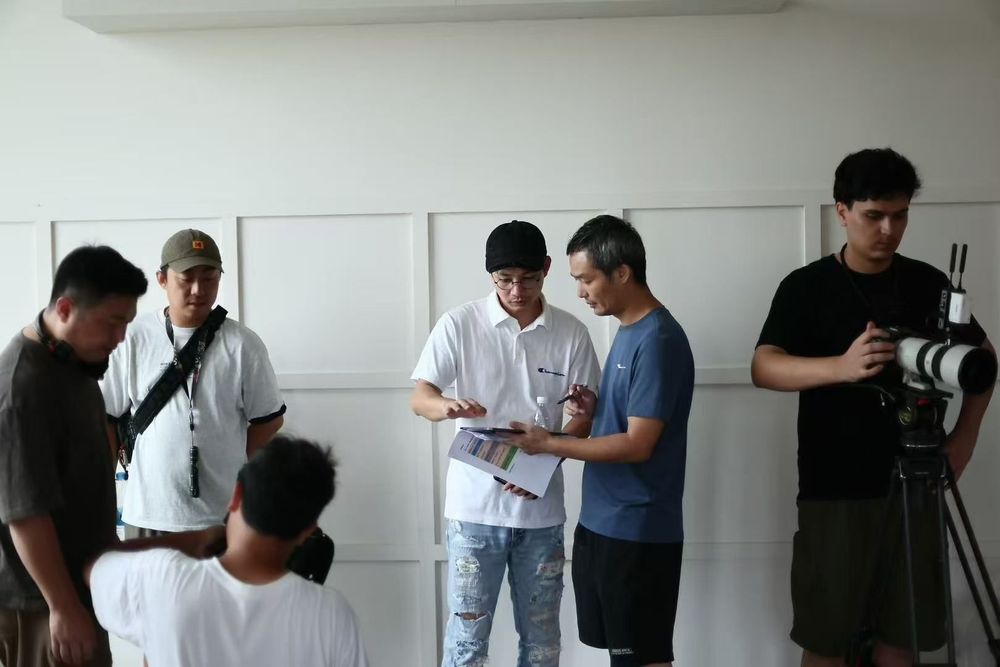
An effective business interview starts with customers' concerns, then uses experience, reasoning, working details and clear limits to answer them. Preparing the topic, speaker and visuals lets one session produce a full interview, question-based shorts and website material.
1. Why do interviews often sound like company profiles?
Questions about founding dates, size, values and future plans document a company but may not sustain customer interest. Customers want to understand decisions, methods, common project pitfalls, preparation and responses to change.
Start by collecting recurring questions from sales conversations, project meetings, after-sales feedback and search terms. These provide stronger topics than slogans.
2. Define each speaker's role
Founders suit positioning, industry judgement and long-term choices. Technical staff explain products, processes and quality. Project managers discuss workflows, milestones and risks. Frontline employees contribute operational detail and practical experience.
Choose the person whose experience answers the question, instead of defaulting to the owner for every video.
3. Build the interview around customer questions
Use four layers: a customer question, a clear judgement, real experience or working detail, and the conditions under which the advice applies with a useful next step.
Instead of asking for general views on corporate films, ask what first-time clients overlook, what to prioritise on a limited budget or when filming should be delayed. Specific questions produce less formulaic answers.
Before filming, check topics, supporting materials, shot arrangements and on-site requirements.
4. Turn abstract views into understandable details
When a speaker says quality or service matters, ask what is checked, who approves it, when it happens, how problems are handled and what difference customers can see.
Follow-up questions should clarify experience, not encourage exaggerated results. Agree confidentiality limits for client names, figures and projects beforehand. Use approved processes and reasoning instead of invented cases.
5. Plan more than a single fixed interview shot
The speaker is the main thread, supported by environments, working actions, product details and related locations. List required spaces, equipment, documents and steps, confirming what may be public.
Plan for each channel. Full videos and websites allow fuller explanations; shorts need a clear opening, one question and vertical composition. Both formats, safe framing and supplementary footage make later editing more flexible.
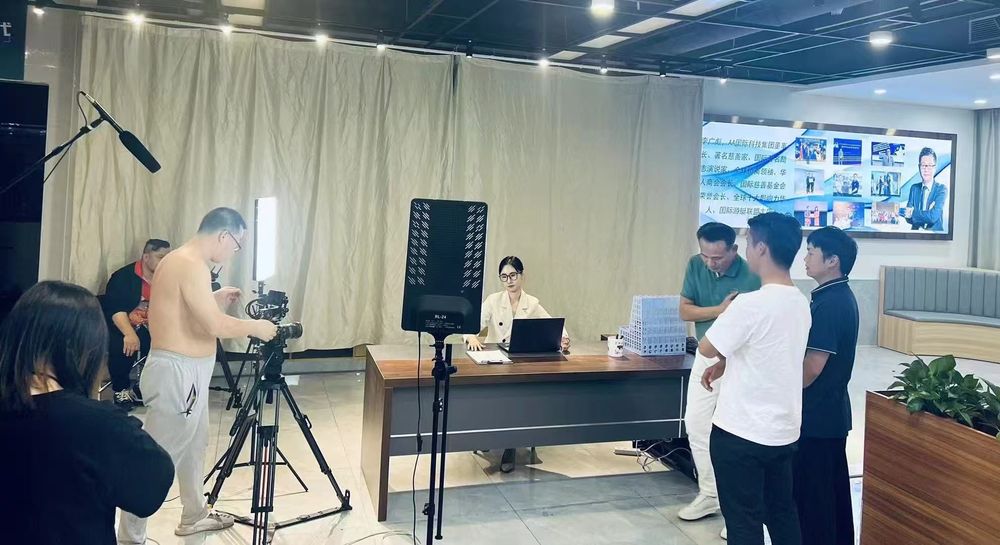
Interview production coordinates cameras, lighting, sound, eyelines and environmental coverage.
6. Turn one interview into ongoing content
Create a complete piece around the core theme, then independent question-based shorts, website articles, sales FAQs and training material. Each excerpt needs its own question, conclusion and enough context to avoid misleading quotations.
Let useful questions determine quantity, rather than repeating the same view to reach a target. Number questions and record keywords and footage timecodes for future retrieval.
7. Interview preparation checklist
Confirm the business objective, audience, three to five core questions, publishable experience and figures, supplementary product or workplace shots, publishing channels and reviewer.
Include sales, exhibition and continuing short-video versions in the delivery list before filming, rather than searching for footage after completing the master.
8. RAY STUDIO's recommendation
Collect ten recurring sales questions and choose three to five for a founder or specialist. Give speakers an outline without requiring memorisation. Use follow-up questions to obtain real detail and visuals and editing to make it clear.
Founder personal branding: https://raystudio.art/services/dongguan-founder-ip
Related reading: https://raystudio.art/news/aj7fmw4crn82bfycy3xfqu33
Project brief: https://raystudio.art/contact#project-brief-form
9. Content note
Prepared by the Guangdong RAY STUDIO team from common interview planning, filming and multi-version delivery workflows. The article does not identify or imply particular clients, individuals or project outcomes shown in its images.