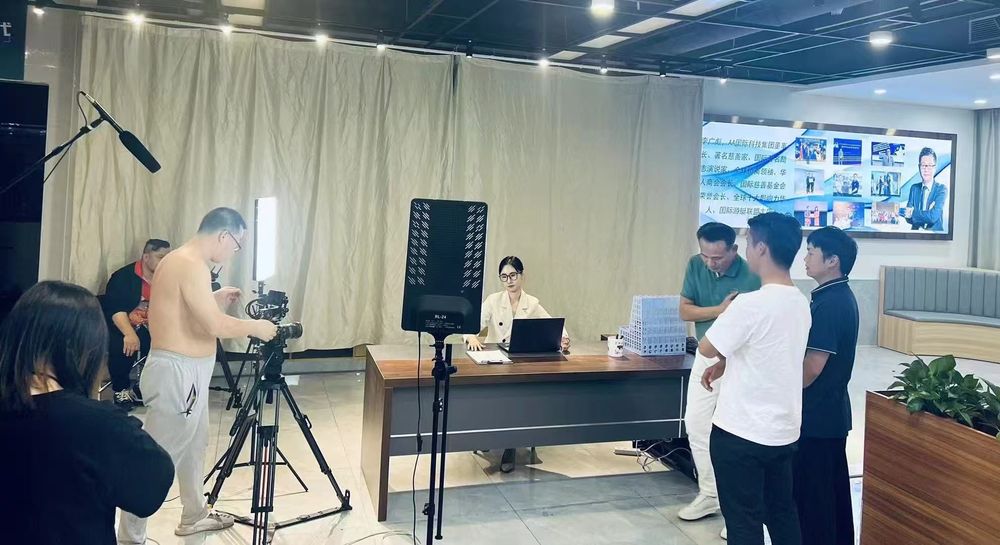
A natural, clear founder interview that supports ongoing publishing depends heavily on preparation. RAY STUDIO first confirms objectives and audiences, then handles pre-interviews, questions, locations, equipment, shot lists and review boundaries so the founder can focus on authentic expression.
1. Start with the purpose
A website brand introduction, industry opinion, customer Q&A, recruitment feature and social-video account need different structures. Identify the audience, problem, publishing destination and what viewers should explore next.
Without a clear purpose, interviews can cover everything superficially. One central theme with supporting questions produces a stronger full piece and short excerpts.
2. Find valuable insights in the pre-interview
Preparation is not about memorising a script. Learn the founder's experience, speaking style, judgement and disclosure boundaries. Explore customer questions, major business choices, product and service differences, project experience and industry changes.
Challenge vague phrases such as long-term thinking or customer focus by asking about concrete actions, criteria and working methods that can make the interview understandable.
3. Leave room for natural expression
An outline normally includes opening, core, factual follow-up and closing questions. Give each question one task. Have the company check product names, figures, dates and compliance-sensitive statements beforehand.
Share directions in advance without requiring long answers to be recited word for word. Excessive memorisation can sound stiff and prevent useful spontaneous follow-ups.
Before a business interview, coordinate cameras, lighting, sound and the subject's position.
4. Scout the location and sound environment
A good location needs depth, manageable daylight, acceptable air-conditioning and equipment noise, controlled foot traffic, power and sufficient access time. Reflections, low-frequency noise and construction discovered during filming can harm efficiency and audio quality.
Scout in advance where possible. Otherwise obtain photographs, video, layout details and available hours, with backup positions and equipment plans.
5. Coordinate cameras, lighting and sound
Choose camera count around use, participants and editing needs. A main camera provides stable coverage, supporting cameras give alternate angles, lighting shapes the person and space, and microphones and backups suit the environment.
Equipment quantity is not the objective. Align images, sound and eyelines while leaving safe compositions for horizontal, vertical and different-length edits.
6. Give wardrobe, grooming and desk guidance
Advise on camera-friendly clothing and avoid fine patterns, distracting reflections and outfits that merge into the background. Decide on hair and makeup according to the subject, shoot duration and content style.
Check documents, computer screens, packaging, staff information and customer records. Their presence on site does not automatically authorise filming or publication of private, confidential or unconfirmed information.
7. Prepare supplementary footage and versions
An interview alone can lack explanatory images and changes of pace. List relevant work actions, product details, spaces, team discussions and documents, and confirm publication permissions.
For websites, WeChat Channels, Douyin, exhibitions or sales, agree formats, openings, cover photographs and short-video questions in advance. A coordinated shoot is easier to control than finding missing material later.
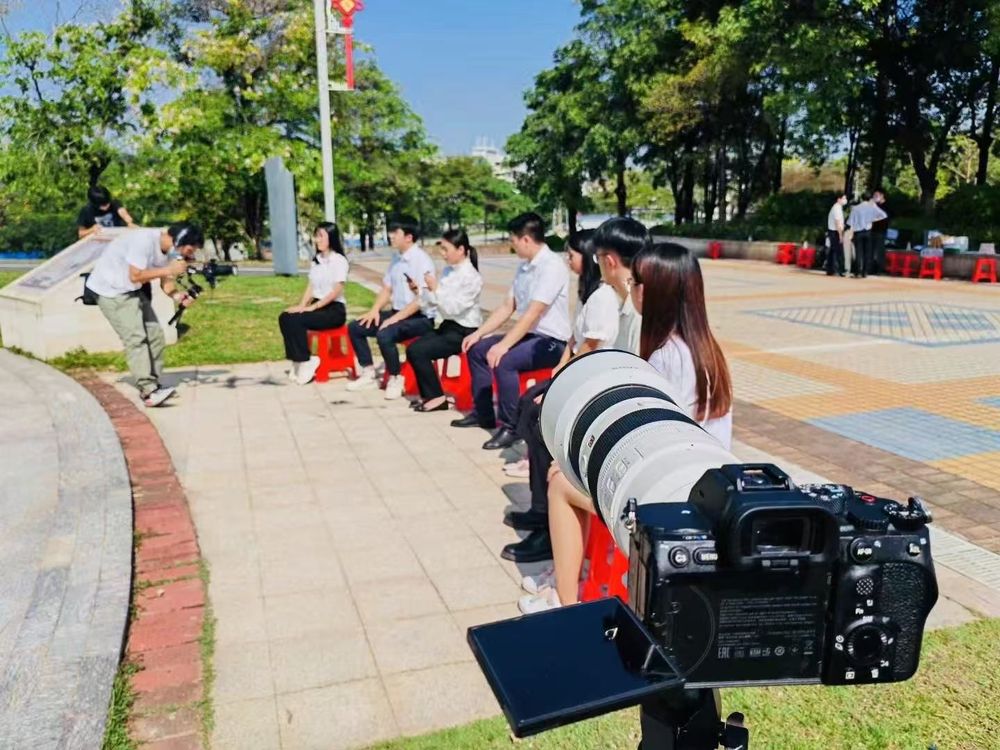
Different interview settings require camera positions and compositions suited to the speaker and deliverables.
8. Final checks before recording
Reconfirm the schedule, arrivals, access, questions, equipment and backups, shot list, restricted information, asset storage and reviewer. Use company-approved information for figures, client names and results.
These checks reduce repeated on-site discussions and clarify responsibilities for the founder, client contact and crew.
9. RAY STUDIO's recommendation
For a first founder interview, provide company and business information, target customers, recurring sales questions, publishable experience and channels. Use these to prepare the pre-interview, outline, setting, equipment and versions rather than improvising questions on arrival.
Founder personal branding: https://raystudio.art/services/dongguan-founder-ip
Related reading: https://raystudio.art/news/aj7fmw4crn82bfycy3xfqu33
Project brief: https://raystudio.art/contact#project-brief-form
10. Content note
Prepared by the Guangdong RAY STUDIO team from common interview preparation, filming and multi-version workflows. It does not identify or imply specific clients, people or outcomes depicted in the images.