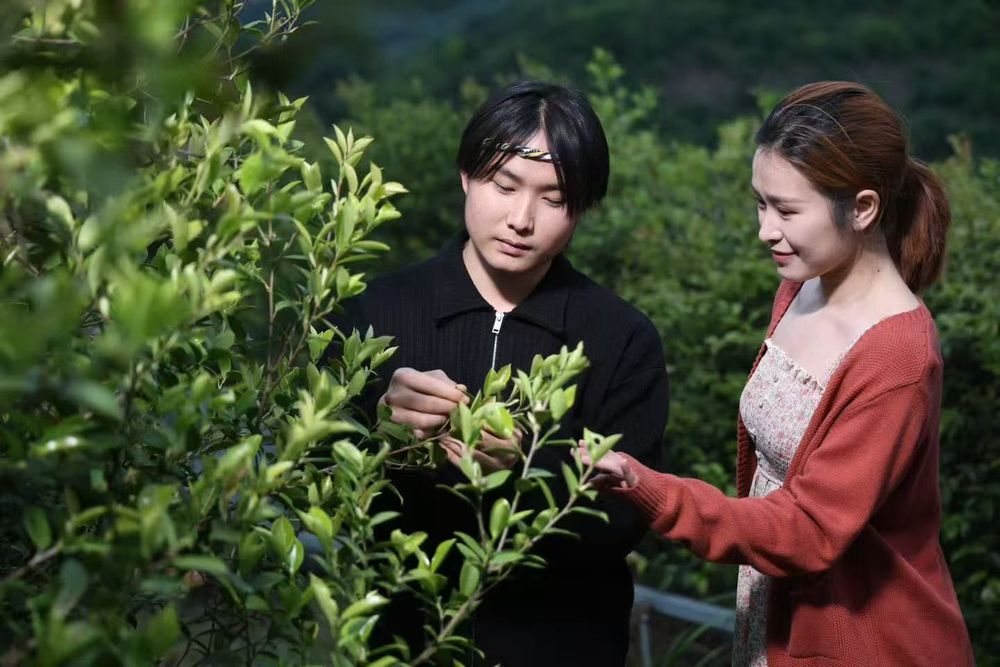
Misty Simeng (Yan Yu Si Meng) is set in Simeng, Xupu, Huaihua, Hunan, with RAY STUDIO team member Xia Ping serving as shooting director. Released across platforms on 3 July 2026 and publicly posted on Bilibili by the Guangdong RAY STUDIO team, it brings natural scenery, local culture and personal stories into one narrative.
1. Entering the story through Simeng's landscape
Public reports describe the meeting between An Yuan, a young man from Shenzhen, and Li Xuening, a Yao woman, alongside local youth Zhang Hanshan's involvement in rural industry. Love, family, returning home and rural development connect Simeng's green waters and Danxia landforms, Xupu's poetic heritage, intangible culture and village life within the story.
Xupu County government materials locate the Simeng scenic area in Simeng Town, on the middle Yuan River and northern foothills of the Xuefeng Mountains. Its landscape and cultural resources offer a distinctive setting while requiring filmmakers to balance beauty with accurate representation of local life.
2. Let culture serve characters and plot
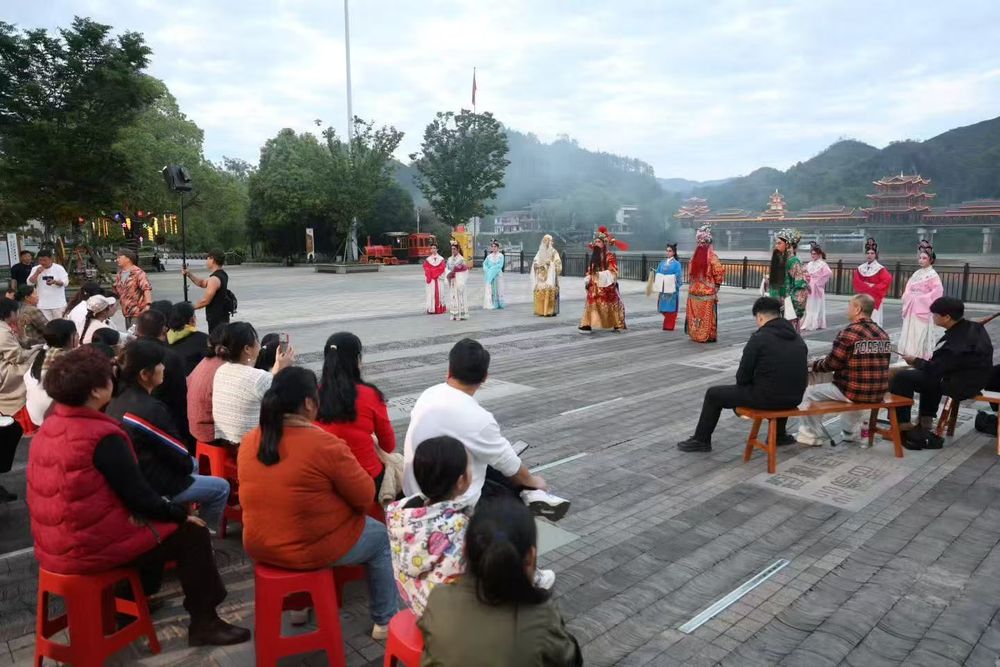
Landscape, opera, tea plantations and villages are woven into the film. Encounters among the tea fields develop relationships; local opera creates a shared cultural setting; riverbanks and villages ground daily life. Chenhe Mulian opera, Wu Nuo performance traditions and folk work songs enter through the characters' experience.
The challenge is not the number of scenic shots but giving scenery emotion, culture context and characters choices. Direction must balance narrative coherence, regional accuracy and pacing, avoiding a mere montage of attractions or information.
3. Xia Ping's work from the team's perspective
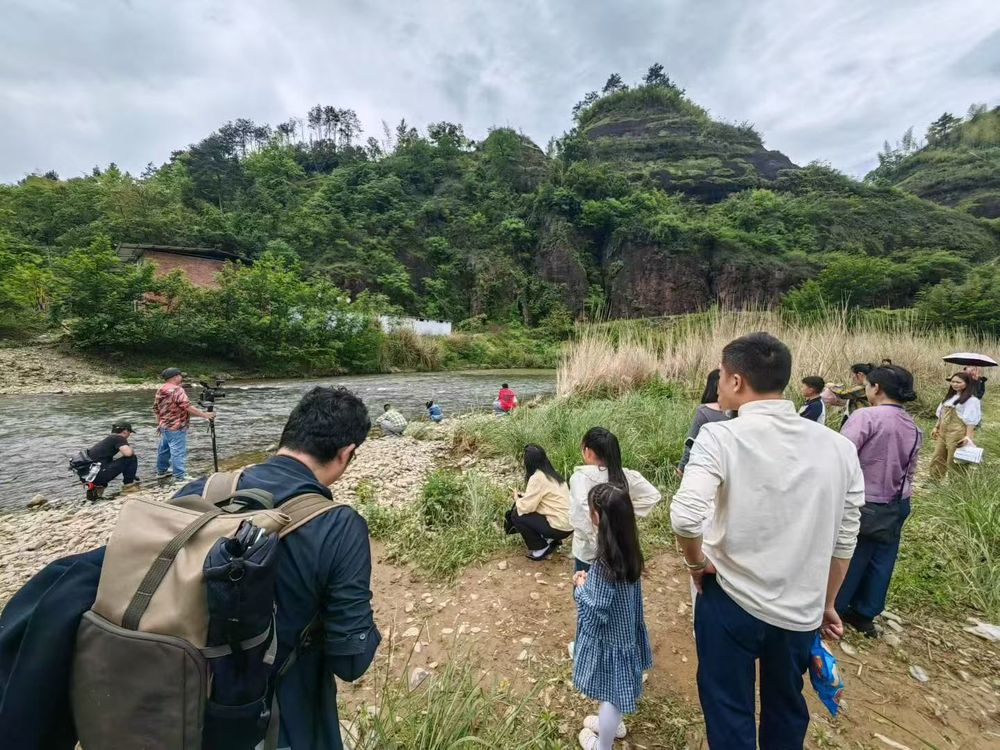
Xia Ping is a RAY STUDIO team member with extensive involvement in cinematography, production and on-site execution. As shooting director, he coordinated actors, extras, natural settings and equipment while adapting shots to weather, light and access.
The role extends beyond completing a script. Believable actions, respect for culture and alignment between story and promotional aims shape the result. The team sees this project as an expression of integrated planning, storytelling, cinematography and execution.
4. Lessons for public-sector and cultural-tourism films
Tourists want authentic experiences, potential partners want to understand local resources, and the public responds to people and emotion. Placing culture, industry and everyday life in a developed story makes regional information easier to understand and remember.
Where policy communication and audience appeal must coexist, define the audience, main narrative and filmable scenes before choosing a short drama, documentary, interview or video series. Plan material for websites, WeChat Channels, Bilibili and event screens to reduce repeated production.
Watch the full project: https://raystudio.art/projects/roauucbs4erepo85tnbwp7pu
Corporate and cultural-tourism film services: https://raystudio.art/services/dongguan-xuanchuanpian
Xia Ping and the team's experience: https://raystudio.art/talent/xia-ping
Submit a project brief: https://raystudio.art/contact#project-brief-form
5. Content note
Prepared from the publicly released film, project materials and public reporting. Xia Ping's role is based on RAY STUDIO team information; background and release details reference New Hunan, Rednet and Xupu County government materials.