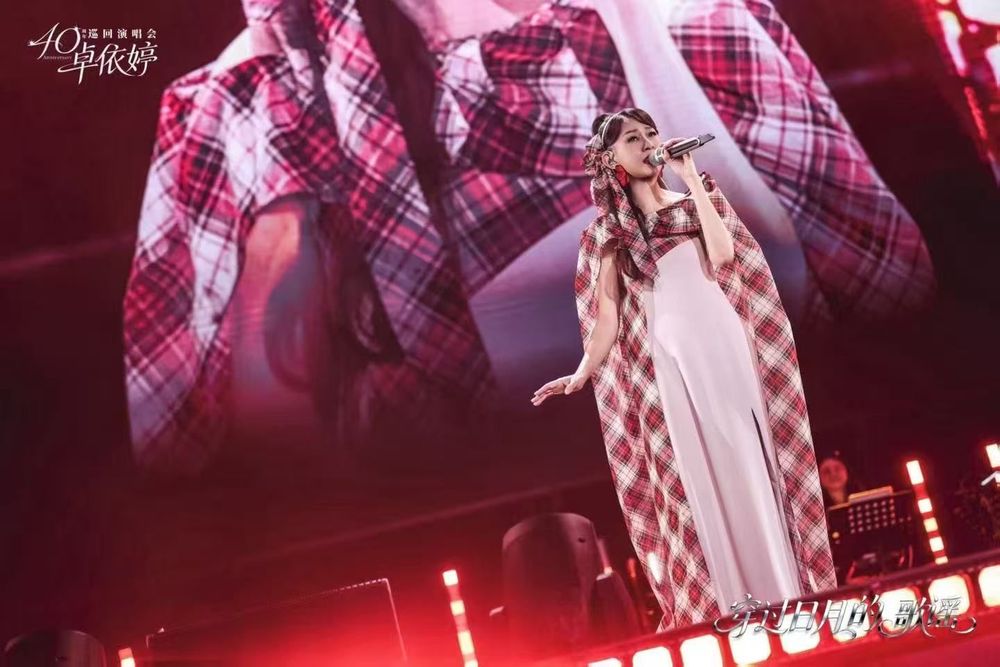
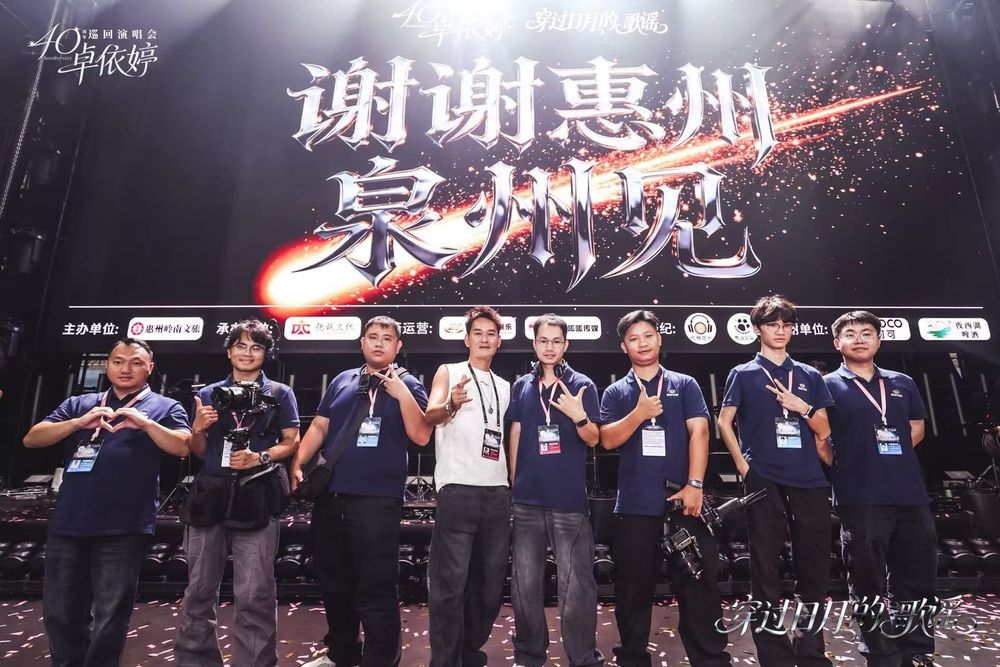
Timi Zhuo's Songs Through the Sun and Moon tour played Huizhou Jiangbei Gymnasium on 22 August 2026. RAY STUDIO supplied a 20-person team for on-site imaging and multi-camera execution, with six broadcast camera positions, six behind-the-scenes positions, one still-camera setup, three technicians and one vision mixer.
Camera count is only the starting point. Broadcast coverage, behind-the-scenes footage, photography, technical support and live switching must work together as lighting, stage movement, screens and audience reactions change. Everyone needs to know what they are recording, its purpose and what may happen next.
1. How was the 20-person team organised?
The core configuration comprised six broadcast cameras, six behind-the-scenes cameras, one still-camera setup, three technicians and one vision mixer. Twenty people does not mean one person per device: the team also coordinates coverage, monitoring, communication and recording.
The broadcast cameras provided complementary wide shots, close-ups, stage coverage and atmosphere. Clearly assigned coverage areas help the vision mixer follow songs and staging without several cameras unnecessarily chasing the same subject.
2. How did live direction and technical staff coordinate?
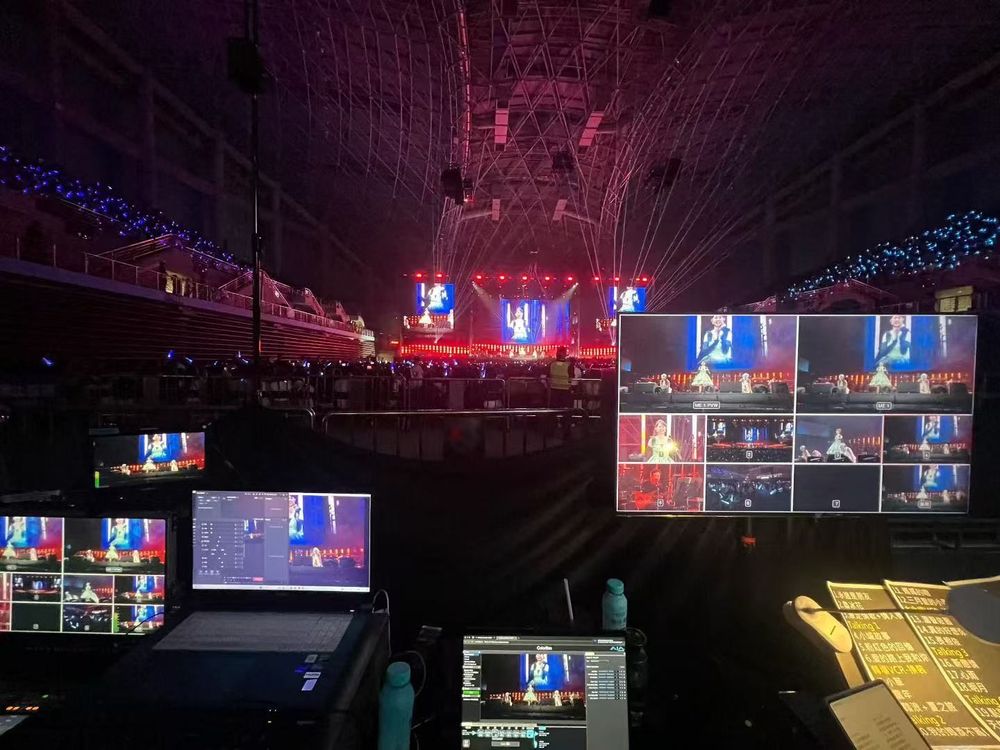
The vision mixer monitored camera feeds and stage action to select shots and switching rhythm. Three technicians supported signals, monitoring paths and equipment condition, connecting front-line shooting with live direction.
Large performances rarely pause for camera adjustments. Clear communications, assigned roles and continuous monitoring help reduce missed moments during lighting changes, transitions and unscheduled movement.
3. Why include six behind-the-scenes cameras and photography?
Broadcast coverage prioritises continuity and live availability; behind-the-scenes cameras capture atmosphere, crew work, audience reactions and spatial detail for promotional edits, social content and project reviews.
A still-camera setup supplemented the moving images. Photographs can quickly support news, social updates and event summaries, forming a fuller content archive alongside video.
4. What should organisers confirm in advance?
Provide the date, venue, programme, stage and lighting plans, screen requirements, permitted shooting areas, priority participants and intended deliverables.
Live screens, complete performance records, media publicity and short-video distribution need different images. Earlier definition helps allocate cameras, people and technical resources and improves archiving and version delivery.
5. FAQ
Why use both broadcast and behind-the-scenes cameras? Broadcast cameras provide stable, controllable main coverage, while behind-the-scenes positions supply atmosphere and promotional material. Together they support both the full record and later publicity.
Does every concert need twenty people? No. Team size depends on venue, programme, cameras, screens, signals and deliverables. Twenty was this Huizhou project's configuration, not a universal standard.
What should an initial enquiry include? Date, venue, running order, stage plan, key moments, playback or publishing channels, and required films, behind-the-scenes edits, photographs and footage versions.
Event imaging and live photography: https://raystudio.art/services/dongguan-zhaopian-zhibo
Timi Zhuo's 2026 Guangzhou concert case: https://raystudio.art/projects/g71nnitrxyzrat998quef1je
Concert, gala and event brief: https://raystudio.art/contact#project-brief-form
6. References and content note
Nanfang Plus, report announcing the Huizhou concert on 22 August, published 9 July 2026: https://static.nfnews.com/content/202607/09/c12609246.html
Staffing, equipment and on-site images were supplied and authorised by the user for RAY STUDIO's website. External information was checked for the Chinese article on 24 August 2026; execution details follow the team's records.
Prepared by the Guangdong RAY STUDIO production team.