
These formats differ primarily in communication purpose, not whether they look premium. Corporate films introduce a company, brand films build feeling and memory, product videos explain value and use, and TVCs concentrate an advertising message within limited time. Define objectives, audience, channels and the desired action first.
Similar cameras and lighting can serve different formats, but scripts, shot organisation and deliverables change with the communication goal.
Corporate films: what kind of company is this?
Corporate films introduce the business and build trust through positioning, activities, people, R&D or production, services, history and applications. They support websites, exhibitions, sales visits, partnerships, recruitment and internal communication.
The challenge is choosing a clear thread rather than including everything. Viewers need to understand who the company serves, what problems it solves and which real people, processes and settings support that message.
For a long-term master serving several departments and contexts, start with a corporate-film structure and plan exhibition, sales and short-video adaptations.
Brand films: how should people understand and remember the brand?
Brand films focus on perception, attitude and emotion. They may use a single proposition, value or audience insight to organise people, situations, language and visual style rather than listing products or history.
For the same manufacturer, a corporate film might show the business and production system, while a brand film explores a consistent principle, a customer problem or an action that embodies its character.
Brand films suit repositioning, milestones, integrated campaigns and unified market messaging. They still need accurate information and a real brand foundation, not empty slogans.
Product videos: what is it, what does it solve, and why choose it?
These focus on a product or solution: structure, functions, use, applications, processes, comparisons and purchase or enquiry information. Industrial equipment, electronics, home products and software need different evidence and images.
A good product video goes beyond rotating the object or reading specifications. Start with customer concerns, then choose demonstrations, details, actual operation, applications, explanations or animation to connect features with value.
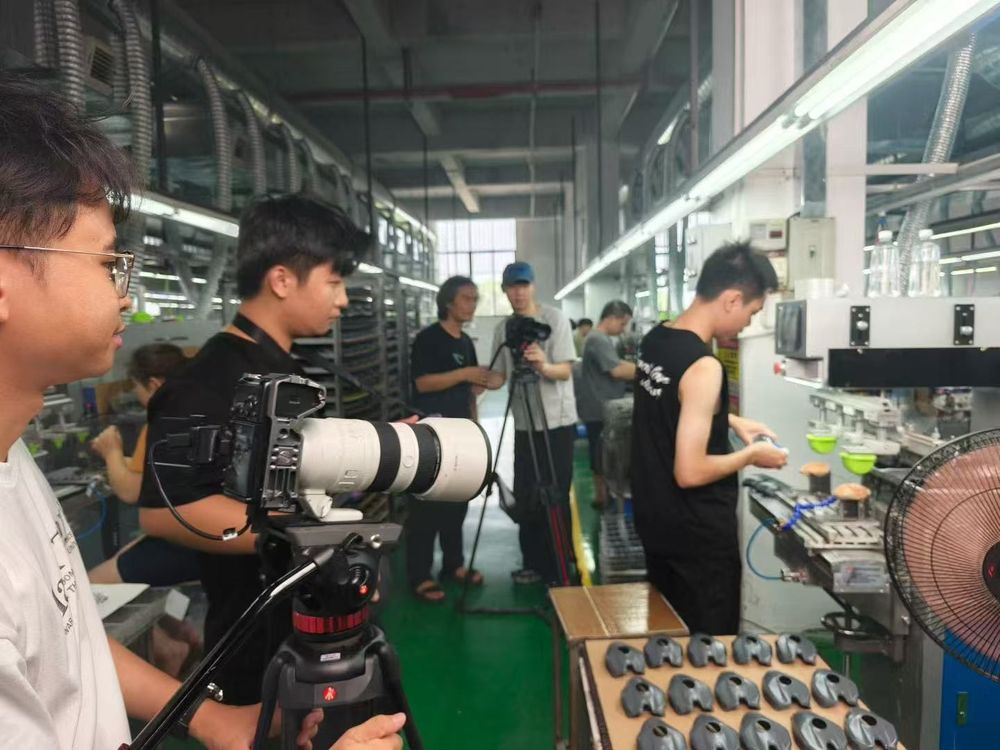
Product and manufacturing films often enter real production areas. Confirm access, operating schedules, product readiness and safety before filming.
TVCs: what single message should this placement communicate?
In production discussions, TVC commonly means a commercial designed around advertising and media placement, not only television. Cinema, outdoor screens, lifts, online ads and social campaigns each impose viewing-time, aspect-ratio, audio and review requirements.
Compared with a broad corporate introduction, a TVC emphasises one message, an engaging opening, brand recognition, memorability and action. It can advertise a brand or a product; the term describes an advertising approach, not exclusively product content.
For several platforms, define the master, formats, silent viewing, subtitle safe areas, lengths and closing action before production instead of relying on late cropping.
The formats can share footage, but changing titles is not enough
One shoot can supply corporate, brand, product and advertising versions, each with its own emphasis. A factory wide shot establishes scale in a corporate film; a product video needs operational detail; a TVC may use one memorable action and concentrated copy.
Merely retitling or shortening the same edit can leave website visitors unclear about the business, exhibition viewers missing key points, ads without a memorable message and salespeople without useful product sections.
Four questions before commissioning
1. Is the main goal company introduction, brand awareness, product explanation or advertising? 2. Who is the audience: prospects, channel partners, consumers, applicants or employees? 3. Where will it appear: websites, exhibitions, sales visits, launches, outdoor media or social platforms? 4. Should viewers learn more, remember the brand, understand a product, enquire, visit or buy?
If the answers point in different directions, do not force one video to solve everything. Define the master's main task and plan the shots, copy and specifications for other versions within the same shoot.
Corporate film services: https://raystudio.art/services/dongguan-xuanchuanpian
Commercial and TVC production: https://raystudio.art/services/dongguan-guanggaopian
Turning company stories into scripts: https://raystudio.art/news/irpd78a89rrjcwx2suqo1wk8
Mingmei Carpet corporate film: https://raystudio.art/projects/n3ixoe3xdcoij5s4ay7vl2sc
breo See 7 international TVC: https://raystudio.art/projects/vcmnohq5ki909csxzv3eqpx9
Project brief: https://raystudio.art/contact#project-brief-form
References and content note
Based on Guangdong RAY STUDIO's project-planning practices for corporate, brand, product and advertising content. Formats may share footage or be delivered together; final structure depends on objectives, audiences, channels and approval requirements.
Two images supplied and authorised on 25 August 2026 illustrate commercial production only. No client, project, location, identity or outcome was inferred from them.
Prepared by the Guangdong RAY STUDIO production team.