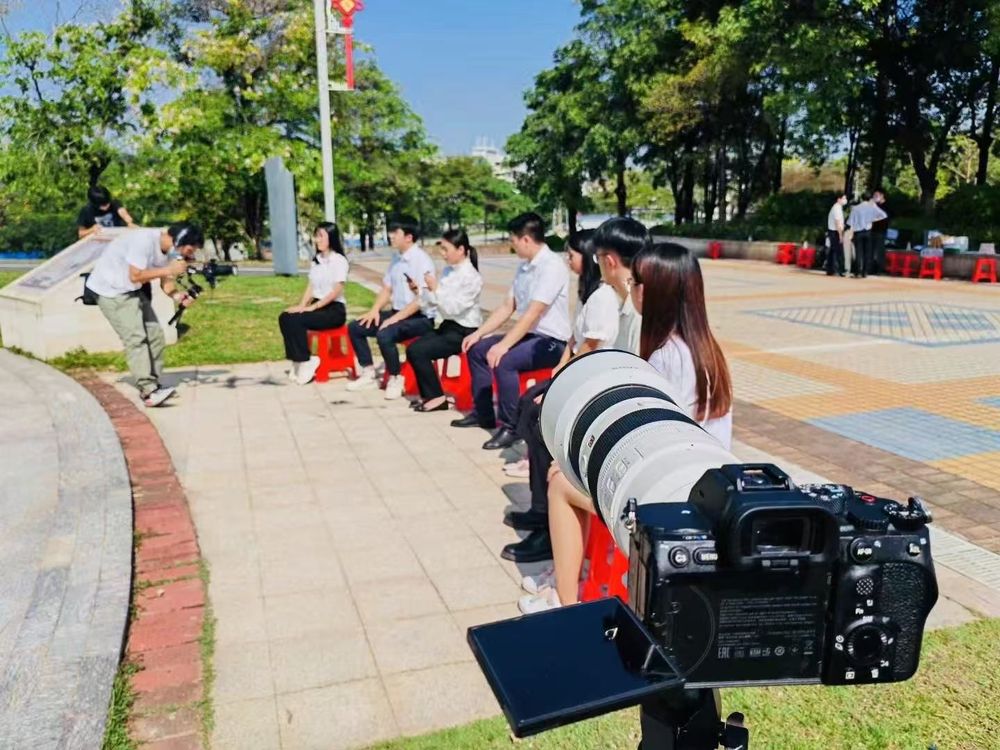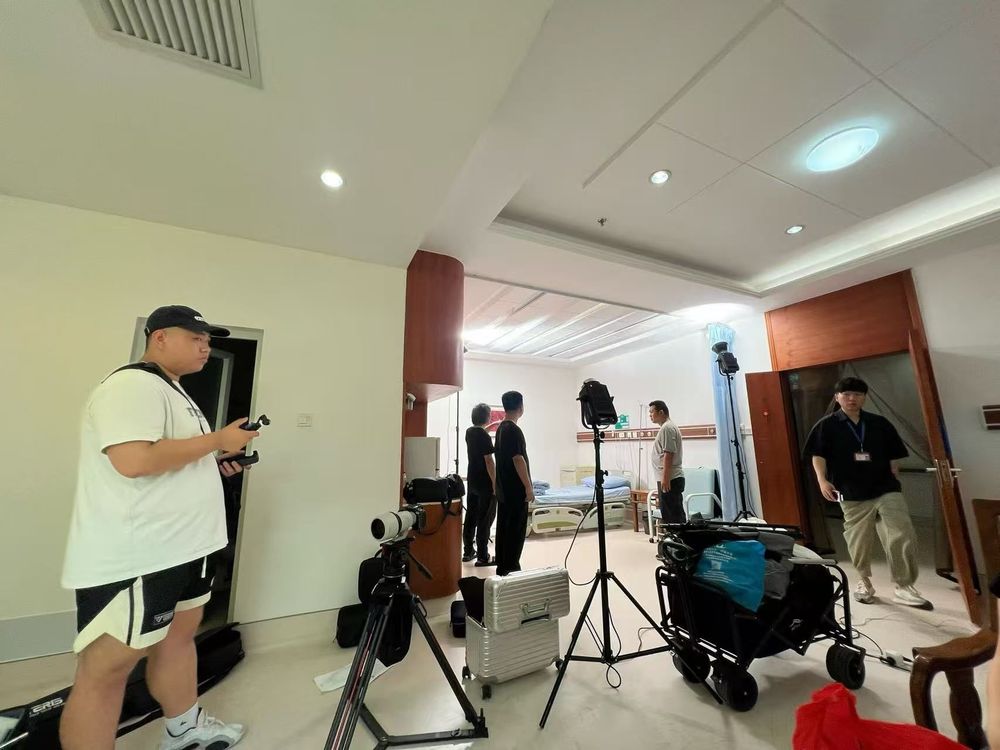
AIGC adds generation, verification and labelling between traditional planning, filming, post-production and delivery. It can assist topics, scripts, storyboards, images, sound, repairs and multilingual versions, but every stage needs defined inputs, boundaries, human reviewers and final versions.
From the 2025 labelling framework to 2026 audiovisual production network requirements, AI ethics guidance and industry application initiatives, official materials increasingly address controlled, compliant and traceable production, beyond the ability to generate content.
How standards are entering production workflows
Mandatory standard GB 45438–2025, published 28 February 2025 and effective 1 September 2025, specifies visible and implicit labelling methods for generated text, images, audio, video and virtual scenes. The AI-generated synthetic content labelling measures took effect on the same date.
Recommended industry standard GY/T 434–2026, published and effective 2 August 2026, sets general network requirements for audiovisual media production. It is not solely an AIGC standard, but alongside labelling, ethics and application initiatives it indicates more explicit process management and technical governance.
NRTA's July 2026 MediaAIAC call lists topic selection, outlines, characters, scripts, storyboards, image and sound generation, previsualisation, editing, review, AIGC detection, deepfake recognition and provenance. Teams therefore need review, archive and publication rules as well as generation speed.
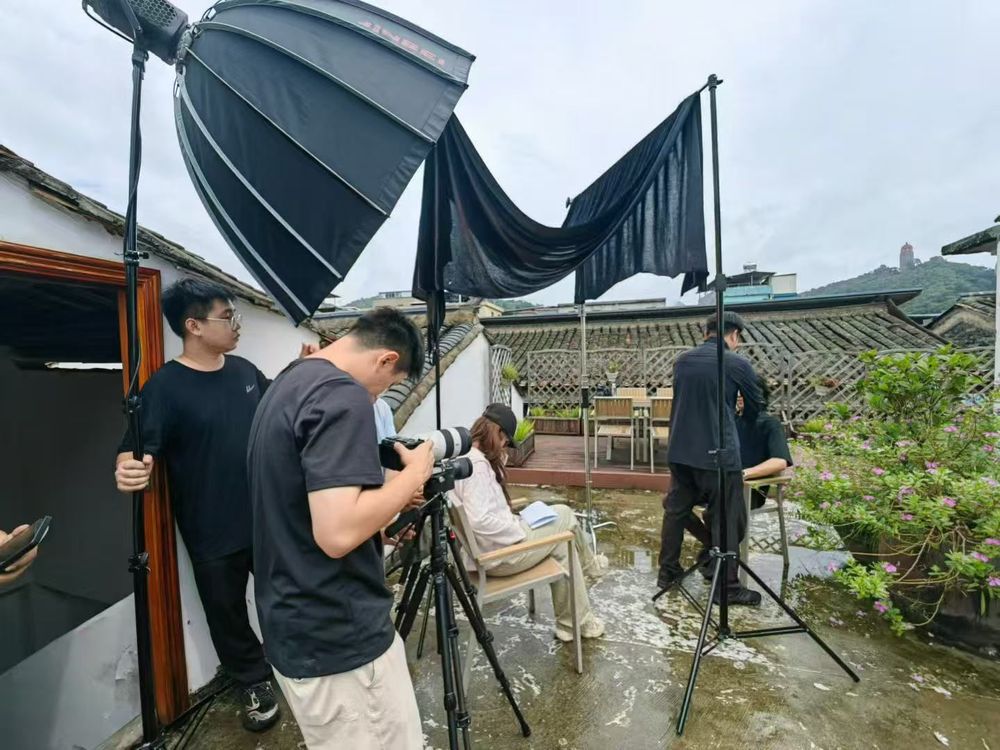
Camera, lighting and equipment coordination on a corporate shoot. Live capture, AI stages and final review still need clear responsibilities and version records.
Pre-production: define AI boundaries in scripts and storyboards
Decide what may be generated and what must be filmed or client-supplied. Verify company history, specifications, capacity, certifications, identities and commercial commitments rather than accepting fluent generated claims.
Record tools, providers, inputs, intended uses and human revisions. Previsualisation can aid discussion, but concepts must still be tested against budget, locations, performers, equipment and safety before being treated as deliverable plans.
Production: separate live-action and generated assets
Archive original footage, client assets, licensed material, generated content and composites separately, retaining shot numbers and version relationships. Even a few generated seconds in the final film should have identifiable sources, modifications and approvers.
Before generation involving likenesses, imitated voices, trademarks, product appearances, copyrighted work or unreleased business information, confirm rights and confidentiality. Tool capability does not establish commercial permission, and sensitive client data should not enter unapproved processing environments.
Post-production: review more than appearance
Check four areas: facts about people, places, products and figures; rights to assets, likenesses, voices and fonts; technical defects, lip sync, subtitles, framing, colour and audio; and publication labels or declarations.
The national cybersecurity standardisation committee's May 2026 AI ethics guidance calls for human oversight, intervention and correction at key stages, with transparency, traceability, data security, privacy and intellectual-property safeguards. In production, these become review stages, named owners, revision records and release approvals.
Delivery: separate masters, publishing versions and evidence
Corporate videos may need horizontal, vertical, short, subtitled and platform-specific outputs. Identify generated or synthetic shots, required labelling and the source and version records supplied to the client.
Keep the highest-quality master, platform-specific publishing files and project records separately. Scripts, shot lists, permissions, generation records, review comments and approvals support platform checks, updates and rights enquiries.
Six procurement questions
1. Where is AI used, and will generated images or sound appear publicly? 2. What are the sources and permissions for scripts, images, fonts, music, likenesses and voices? 3. Which facts does the client confirm and which does the producer verify? 4. Are generation, shot, revision and human-review records retained? 5. Which visible, implicit or platform labels are needed? 6. Who manages and accepts formats, short cuts, languages and later revisions?
Frequently asked questions
If AI is used only for storyboards and all final footage is real, are labels needed?
Assess the final public content and applicable platform rules. Internal records can still document AI assistance even when no generated storyboard image appears, avoiding later confusion about sources.
Can a small number of AI shots go unrecorded?
This is not advisable. They may still involve accuracy, likeness, voice, copyright and labelling. Recording and reviewing them before delivery is easier than investigating after publication.
Does AI always reduce cost?
No. It can shorten concept, previsualisation and basic processing work while adding verification, version management, corrections, rights checks and labelling. Cost still depends on creative goals, quality, live-action scale, revisions and deliverables.
Commercial and TVC production: https://raystudio.art/services/dongguan-guanggaopian
AI publishing checklist: https://raystudio.art/news/zy4y46mf66pchka2pg05qy78
AI-video contracts: https://raystudio.art/news/yzc9kmfp4fcddwktl34i3x5f
Project brief: https://raystudio.art/contact#project-brief-form
References and content note
SAMR/SAC, GB 45438–2025, published 28 February 2025, effective 1 September 2025: https://openstd.samr.gov.cn/bzgk/std/newGbInfo?hcno=F32EA2A561F1886CD8D606513512D547 ; CAC labelling measures, published 14 March 2025, effective 1 September 2025: https://www.cac.gov.cn/2025-03/14/c_1743654684782215.htm ; NRTA GY/T 434–2026 notice, 4 August 2026, standard published/effective 2 August: https://www.nrta.gov.cn/art/2026/8/4/art_113_73812.html ; NRTA MediaAIAC call, 21 July 2026: https://www.nrta.gov.cn/art/2026/7/21/art_113_73728.html ; AI Application Ethics and Safety Guidelines v1.0, 19 May 2026: https://www.cac.gov.cn/rootimages/uploadimg/1781191242772713/1781191242772713.pdf
This article reflects public information and workflows as of 7 September 2026. It is not legal advice or a statement that all platforms have identical rules. Review each project's content, platforms, contract and currently effective requirements.
The image was supplied and authorised on 25 August 2026 as a production illustration. No client, project, location, identity, AI use or result was inferred from it.
Prepared by the Guangdong RAY STUDIO production team.