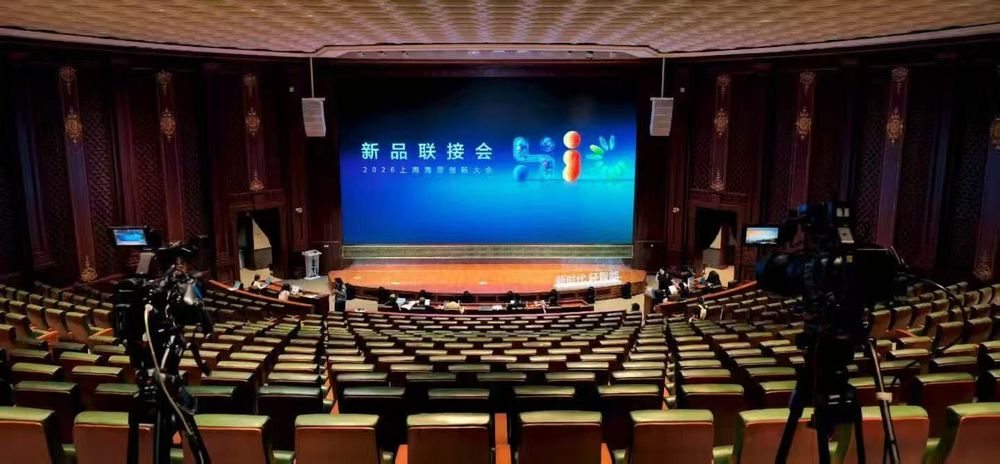
Some events need one fixed camera for a basic record; others need multiple cameras, live switching, independent sound and backup networks. Cost depends on coverage, acceptable interruption risk and output standards, not just a price per camera.
The HIC 2026 livestream site. Venue size, stage distance and priority areas affect camera count, lenses and signal transmission.
1. More cameras mean more than additional views
Wide cameras establish the venue and stage, close cameras show speakers and demonstrations, and roaming cameras capture interaction, arrivals and atmosphere. Each can require operators, lenses, supports, signal transport, monitoring and recording resources.
“Three cameras” is not a complete brief. Explain the programme, stage size, speakers, audience interaction and whether isolated camera recordings are required. Coverage goals determine the right configuration.
2. Live direction organises content in real time
A vision mixer chooses feeds and coordinates cameras, captions, playback and sound. The system includes switching, monitoring, intercom, recording and conversion. Plan how slides, films, remote calls and bilingual captions enter the programme.
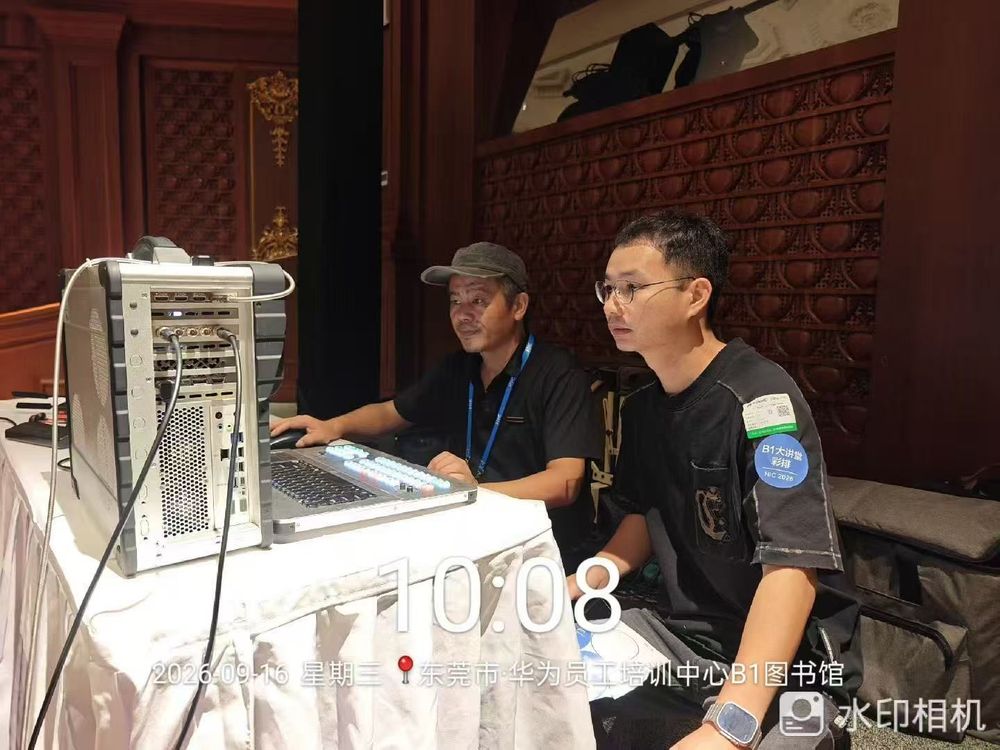
Technicians switch pictures and monitor signals on site. Staff who understand the programme and respond quickly matter as much as equipment.
More programme segments and complex switching require more preparation, equipment planning and rehearsal to create coherent coverage.
3. Network design affects reliability and backup needs
Streaming requires sustained upload capacity. Check upstream bandwidth, stability, access permissions and competing users, not just internet access. Important events may need primary and backup connections, dedicated access or bonded networks.
An internal meeting and public launch may tolerate different risks. One-platform and simultaneous multi-platform streaming also differ in encoding, bandwidth and monitoring requirements. Scouting and speed tests inform a dependable quote.
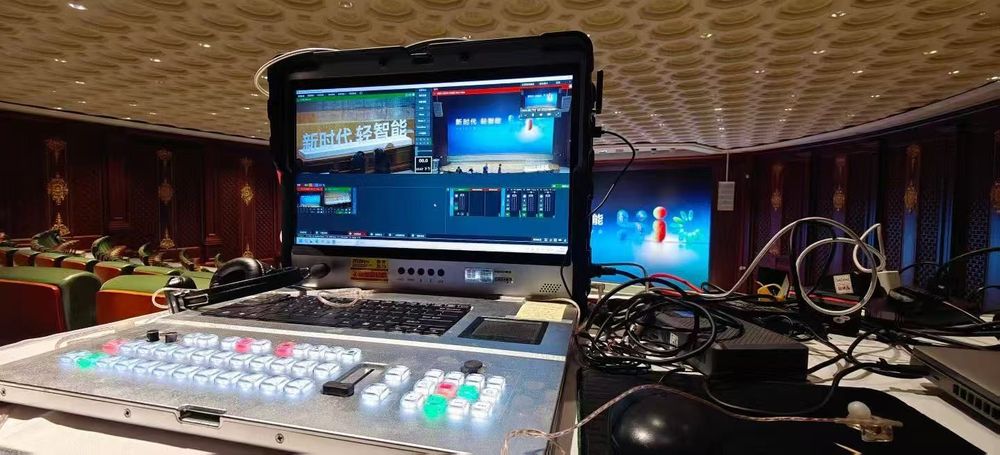
The switcher and monitoring system continuously track pictures, audio, playback and streaming status.
4. Sound, setup and rehearsal are part of the cost
Speaker numbers, wireless microphones, venue PA and independent mixing affect sound design. Discussions, performances and audience interaction may need more detailed routing and backups.
Load-in, cables, integration, rehearsal, live operation and strike all take time. A two-hour event may require several hours or a full day of setup. Quotes should cover the complete production period.
5. Six items for an accurate quote
Provide date and location, the full programme, room and stage conditions, desired camera coverage and key shots, platforms and resolution, plus recording, captions, replay and network-backup needs.
RAY STUDIO uses these to plan cameras, switching, sound, networks and staffing. Each event needs an appropriate system with complete coverage and necessary redundancy, rather than a fixed equipment template.
Live photography and video services: https://raystudio.art/services/dongguan-zhaopian-zhibo
Behind the Bingsheng livestream: https://raystudio.art/news/cpthevpq8dfpa9u01pf9e94u
Livestream brief: https://raystudio.art/contact#project-brief-form
6. Images and content note
User-supplied, authorised HIC 2026 photographs illustrate camera, switching and technical systems. No unconfirmed commissioning relationship, equipment list, network design or promotional result is inferred.
Prepared by the Guangdong RAY STUDIO production team.