1. Who is this checklist for?
Manufacturers, brands, business parks and marketing departments planning corporate films, product videos, interviews, brand films or short-video series. First-time project owners can also use it for internal requirements discussions.
2. Prepare at least eight types of information
1. Business objectives and use cases
Explain why the video is needed and where it will be used. Websites, exhibition loops, sales visits, investment roadshows, recruitment, WeChat Channels and Douyin require different lengths, information sequences, formats and pacing.
Go beyond “improve our brand image.” Specify whether procurement customers should understand capacity, distributors should understand the product range, or applicants should understand the team and workplace.
2. Audience and key takeaways
Identify procurement managers, distributors, consumers, investors or applicants, and list three things they should remember. A clear audience helps prioritise the script instead of treating all company information equally.
3. Company, product and service information
Provide current company and business profiles, priority products, technical features, workflows, applications and common customer questions. Support claims about patents, testing, capacity, exports, clients or rankings with verifiable evidence and publication permissions.
4. Essential filming priorities
List required people, products, equipment, spaces, processes and workflows as essential, preferred or optional. Choose priority products before the shoot to avoid scattered coverage and unclear messages.
5. Brand files and existing assets
Supply usable logo originals, colours, typography rules, brand guidelines, product images, previous videos, 3D animations, certificates and authorised customer cases. The team can then assess what to reuse, film or recreate.
6. Locations, people and availability
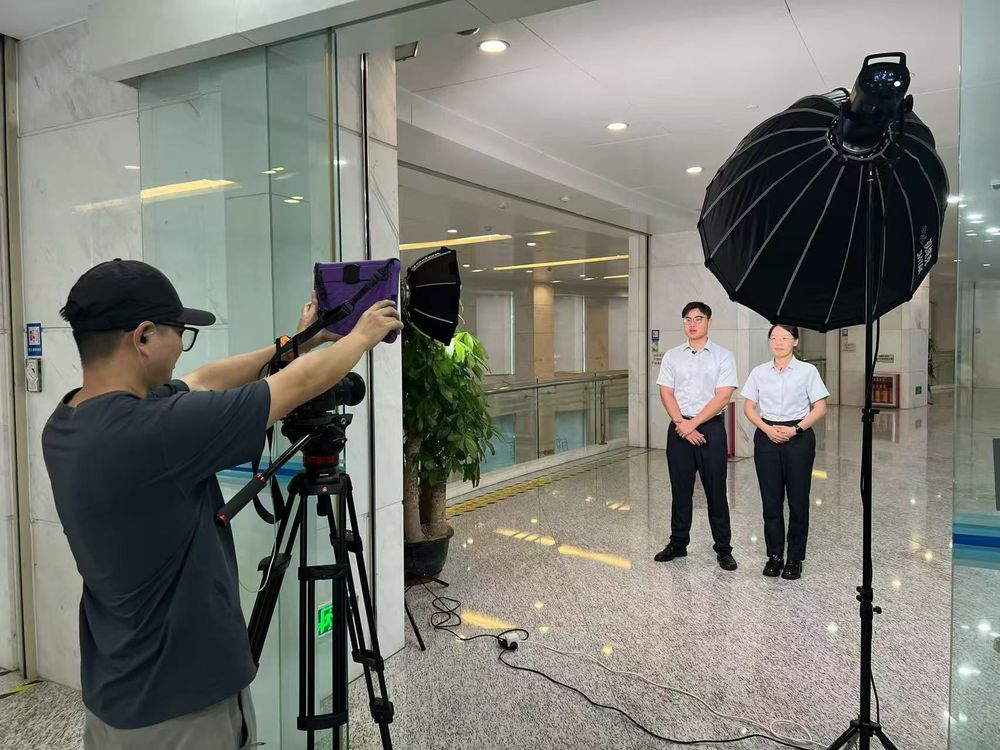
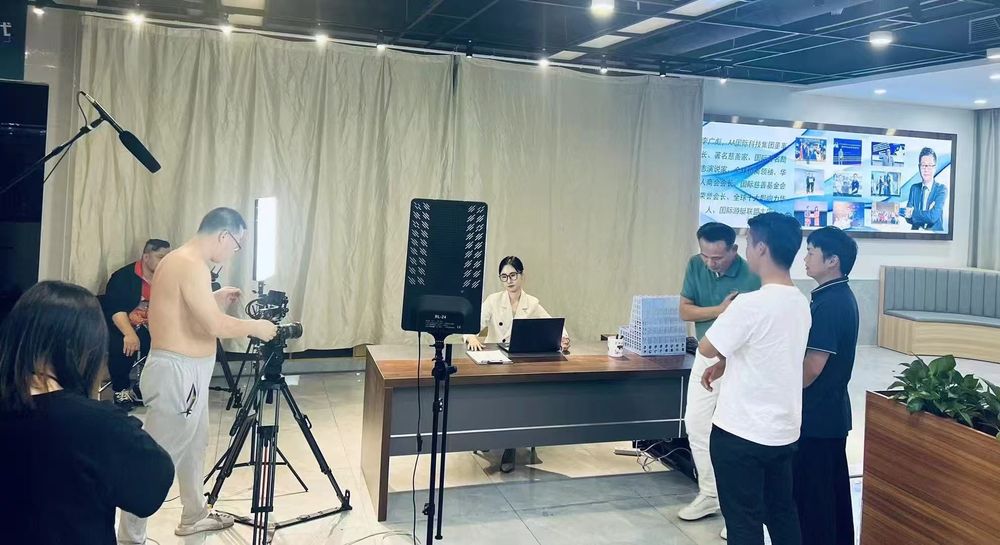
Explain locations, permitted areas, production schedules, noise, lighting, power, confidentiality and safety requirements. Confirm managers, technical staff and employees available on camera. Secure access and filming permissions for factories, laboratories, warehouses and customer sites.
7. Required versions
List horizontal, vertical, long and short versions, subtitle languages, clean versions, cover images and reusable footage. Different channels can share a shoot, but version planning should precede completion of the master.
8. Budget, delivery schedule and approvals
A budget range helps select crew, equipment, locations, scale and post-production. Schedule script approval, filming, first cut, revisions and final delivery, rather than supplying only a launch date.
Identify who consolidates feedback, approves scripts and accepts the finished film. Uncoordinated feedback from multiple people often creates conflicting revisions.
3. What does the client not need to prepare?
Clients usually need not write a complete script, storyboard, call sheet or equipment list. Explain the actual business, use cases, priorities and constraints; the production team should develop the structure, interview outline, script, shots and execution plan.
If you already have a script, treat it as an initial brief and jointly check accuracy, feasibility and suitability for the intended channels.
4. Create a one-page project brief
Include objectives, audience, channels, priorities, required locations and people, existing assets, deliverables, launch date, budget, confidentiality requirements and final approver.
Incomplete information is acceptable if confirmed items and open questions are clearly distinguished. This produces more comparable, executable proposals than simply requesting a quote for a three-minute film.
5. Three common mistakes
1. Specifying duration without use cases. A three-minute website introduction, exhibition film and roadshow video may need entirely different structures.
2. Providing extensive information without priorities. Dozens of profile pages cannot replace a clear communication objective.
3. Confirming people and locations only after filming begins. Availability, production, noise, confidentiality and safety directly affect execution.
6. Frequently asked questions
Can we enquire without a fixed budget?
Yes. Give an approximate acceptable range or identify what must be prioritised so the team can balance creative work, production scale, timing and deliverables.
Must we share all commercially confidential information?
No. Classify information as public, project-only or prohibited from filming. Use confidentiality agreements where needed and confirm boundaries during scripting, shot planning and review.
When should we contact the production company?
As early as possible, especially for multiple locations, interviews, production lines, actors, aerial filming, 3D animation or multiple versions. Allow realistic time for planning, scripting, coordination, filming and revisions.
7. RAY STUDIO's recommendation
Organise these eight information categories before the first meeting. RAY STUDIO can then develop the structure, script direction, filming plan and deliverables around your goals, use cases and site conditions.
Corporate film planning and production: https://raystudio.art/services/dongguan-xuanchuanpian
Related reading: https://raystudio.art/news/yejwje5irw0d52cdvmuui3be
Project brief form: https://raystudio.art/contact#project-brief-form
8. Content note
Prepared by the Guangdong RAY STUDIO team from common commercial-production planning and execution workflows. It contains no unconfirmed client names, quotes, project outcomes or performance promises.