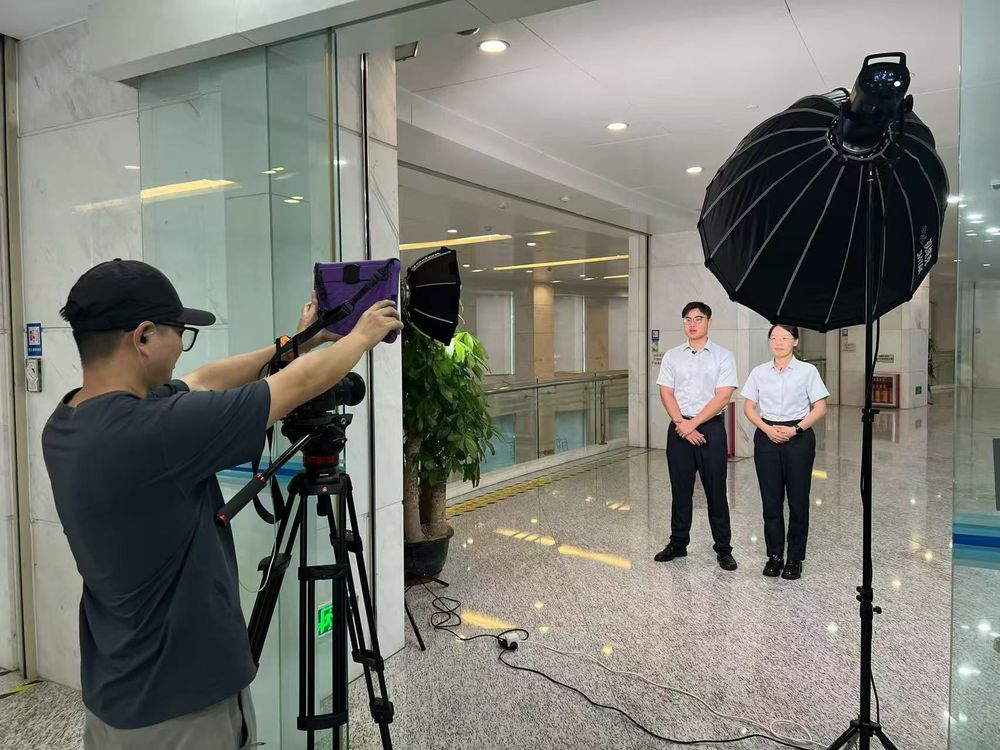
A corporate film shot or delivered in 4K has a high-resolution specification, but this alone does not establish good storytelling, lighting, composition, focus, sound, colour or editing. Treat 4K as one technical criterion, not the sole proof of quality.
For corporate, factory, interview or product videos, whether a quote promises 4K, 6K or more, ask whether the information is clear, images and sound are reliable, and files suit their actual use.
1. 4K describes pixel count, not all aspects of image quality
Perceived detail and quality also depend on lenses, focus, exposure, dynamic range, noise, motion blur, compression and playback equipment. An out-of-focus, overexposed or heavily compressed 4K file can look worse than well-produced lower-resolution footage.
Distinguish 4K capture, editing and delivery. A camera recording 4K does not prove the entire post-production pipeline retains that specification, and a 4K export does not prove there was no quality loss. Specify all three stages separately.
2. What else defines quality?
First, the content objective. Website visitors, exhibition audiences, sales prospects and job applicants need different scripts, durations, pacing and shots. High resolution cannot compensate for failing to answer the audience's questions.
Second, composition and focus. Eyes, product details, equipment actions and spatial relationships must be clear. Check the subject, background and lens choice, not merely whether the monitor displays an image.
Third, lighting and exposure. Windows, overhead lights, equipment indicators and reflective surfaces often coexist. Light people, products and spaces without harsh facial shadows, clipped highlights or lost detail in dark products.

Fourth, stability and movement. Camera movement should have a clear purpose, speed and endpoint that support the story. Unplanned shake, frequent zooms and repetitive moves undermine professionalism at any resolution.
Fifth, sound. Speech intelligibility, ambience, music levels and narration matter. Clear pictures with muffled voices, excessive noise or music overpowering speech are not a high-quality result.
Sixth, colour and editing. Match colour temperature, brightness and tone across cameras, locations and times. Keep information order clear, shot lengths suited to narration, and subtitles and graphics consistent with the brand.
Seventh, encoding and playback. Websites, exhibition screens, sales computers and social platforms have different size, format and compression needs. A huge 4K file may stutter on some devices. Retain a high-quality master and deliver channel-specific versions.
3. How should clients review image quality?
View at native size on a computer and test the intended playback device. Check eyes and product text, highlight detail, shadow noise, colour continuity, motion blur or stutter, audio clarity and subtitle safe areas.
Verify resolution, frame rate, duration, aspect ratio, format, bitrate and audio specifications against the contract. Play every website, exhibition, official-account, Channels and sales version, not only the master.
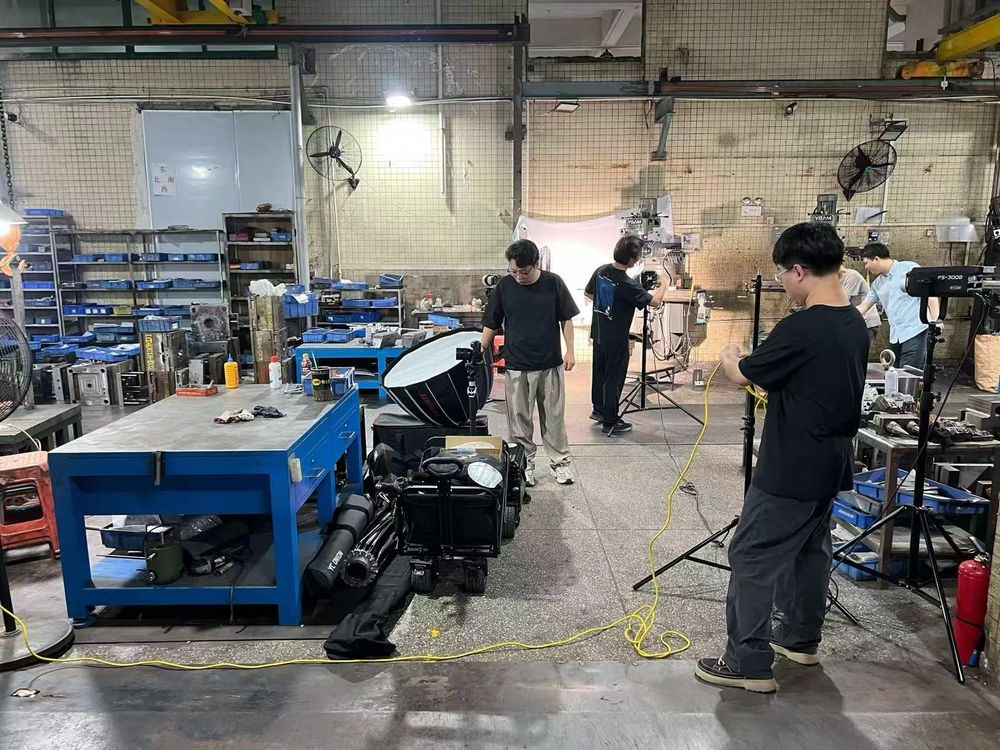
4. Three common misconceptions
A 4K-capable camera does not guarantee a 4K workflow. Confirm recording settings, editing specifications and delivered files, not just the model name.
Extra sharpening does not automatically look professional. It can exaggerate skin, product edges and noise. Natural detail, depth and consistency matter more.
A bigger 4K file is not necessarily better. Size also reflects bitrate, codec, duration and audio. Prioritise dependable playback and future use.
5. FAQ
Must corporate films be shot in 4K? Choose according to use, cropping needs, archive lifespan and budget. It is common for capture or masters, but the complete production and delivery needs remain decisive.
Will viewers notice 4K on a phone? Screen size, platform compression and distance affect perception. Resolution benefits may be limited, while lighting, focus, sound and editing still improve the experience.
Can clients request both 4K and 1080p? Yes, specify both in the contract. A high-quality master plus appropriate website, exhibition and social versions supports wider use.
Corporate film planning and production: https://raystudio.art/services/dongguan-xuanchuanpian
Multiple-version planning: https://raystudio.art/news/yejwje5irw0d52cdvmuui3be
Manufacturing film case: https://raystudio.art/projects/n3ixoe3xdcoij5s4ay7vl2sc
Project brief: https://raystudio.art/contact#project-brief-form
6. Content note
Prepared by Guangdong RAY STUDIO from common filming, post-production and delivery workflows. The user confirmed and authorised the production photographs for website news. No specific client, project, location or result is inferred from them.