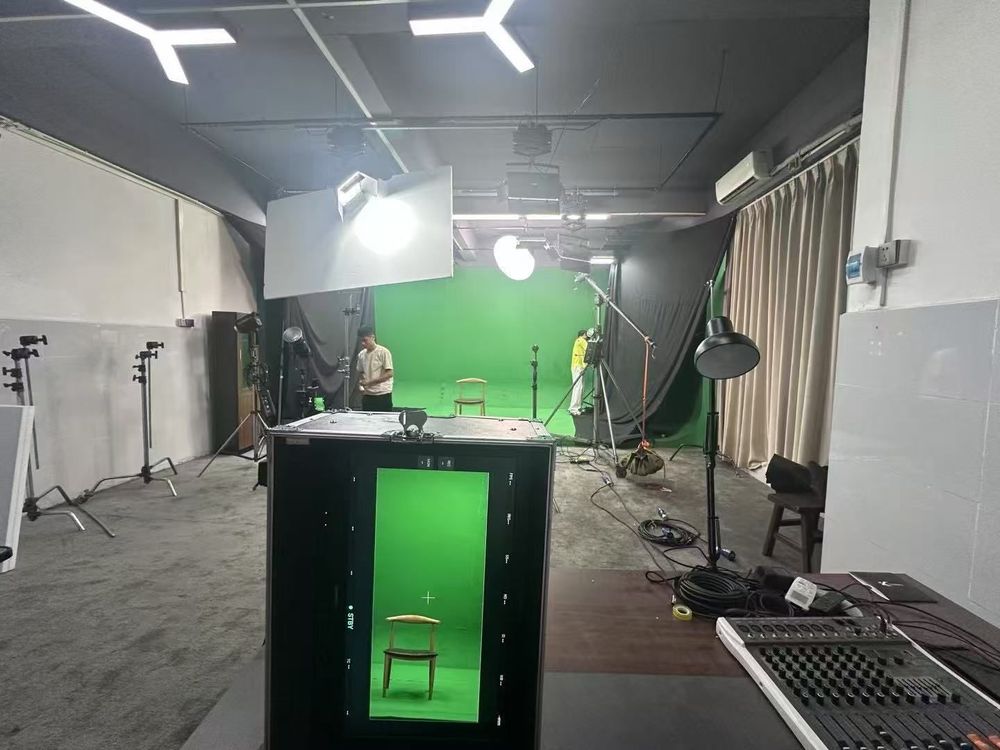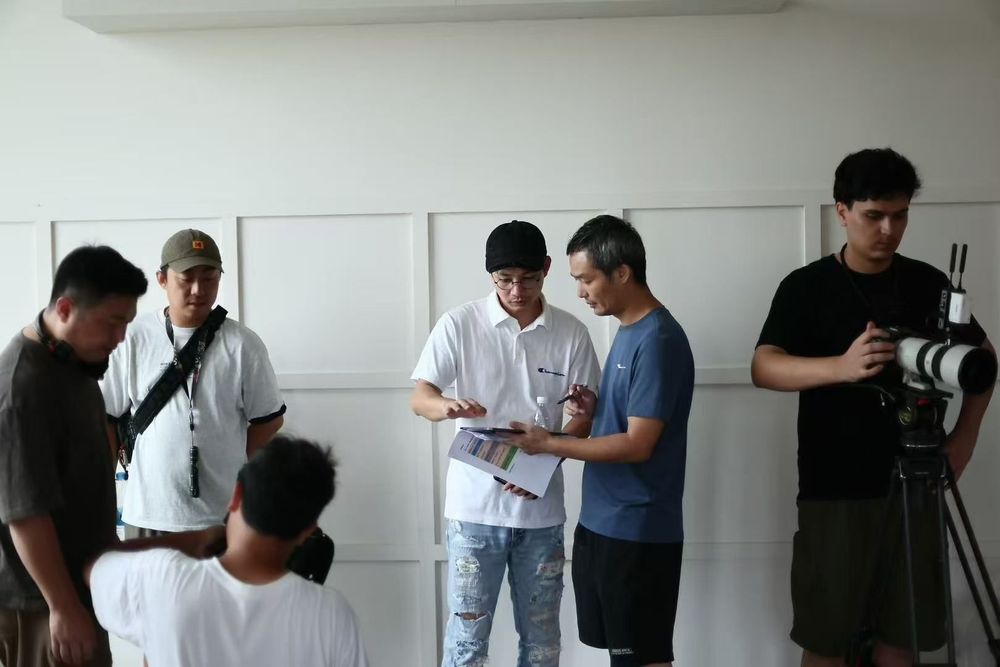
An AI-video contract should cover more than duration, resolution and delivery date. Specify lawful input materials, AI-assisted stages, use of finished and intermediate files, likeness and voice permissions, responsibility for AI labels and complaint handling.
The Chinese source article was checked on 21 August 2026. This production and delivery checklist is for brands, manufacturers, advertisers and project owners; it does not replace legal review of a particular contract, assets or publication territory.
1. Distinguish inputs, tools and project outputs
Logos, product images, fonts, music, clips, photographs, voice recordings and scripts can involve copyright, trademarks, likeness, voice, personal information or trade secrets. Specify who supplies them, permitted uses and whether third-party AI uploads are allowed.
Paying for an AI tool does not automatically permit unrestricted commercial use of every output. Check account terms, commercial permissions and separate licences for fonts, music, plugins and digital humans.
China's Copyright Law allows parties to agree ownership of commissioned works; absent an agreement, ownership belongs to the commissioned creator. Protection of AI-assisted material may depend on human creative contributions. Specify deliverables and rights that can be licensed or transferred instead of relying only on “all copyright belongs to the client.”
2. Six matters to specify
First, define AI boundaries: generated or composited shots, digital humans, voice cloning, AI post-production and required live-action footage. Do not replace real people, product structures or key facts without approval.
Second, record asset sources and confidentiality. Distinguish client and producer assets, permissions, purposes, retention and deletion. Confirm whether unreleased products, customer data or personal information may be uploaded to third parties.
Third, document personal permissions before using identifiable likenesses, cloned voices or digital doubles. Specify purpose, platforms, territory, duration and re-editing rights. Permission to appear on camera does not automatically authorise a digital double or indefinite voice reuse.
Fourth, list deliverables and uses: finished films, formats, clean versions, voiceovers, covers, intermediate assets and project files. Specify advertising, adaptation, excerpts, sublicensing and further generation rights.
Fifth, allocate labelling duties. China's Measures for Labelling AI-Generated Synthetic Content took effect on 1 September 2025 and distinguish visible and file-embedded labels. State who prepares compliant versions and declares AI use on platforms; required labels must not be maliciously removed, altered, forged or concealed.
Sixth, define acceptance and risk handling. Address text errors, incorrect product structures, inconsistent people and abnormal motion, including mandatory fixes and revision rounds. Set response times, evidence, replacement procedures and cost allocation for platform notices, rights complaints and takedowns.
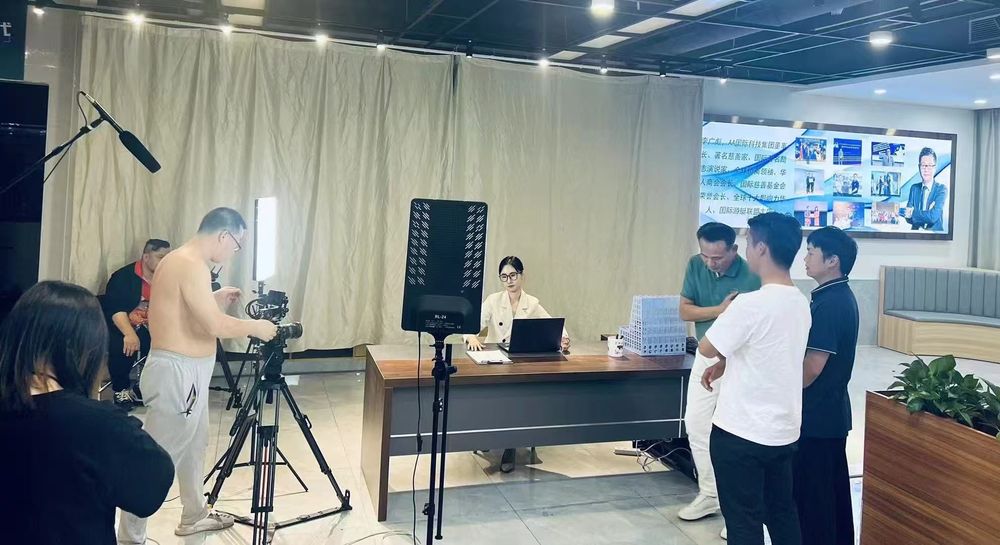
3. Three common misconceptions
A paid AI tool does not clear all commercial rights. Tool permissions do not automatically cover input assets, personal rights, trademarks, fonts, music or third-party elements in outputs.
A watermark-free export does not remove labelling duties. Visible and embedded labels differ, and publishers should make required declarations and use platform tools. Do not ask producers to strip existing labels for publication.
Receiving an MP4 does not convey every right. File delivery, ownership, copyright, usage licences and project-file delivery are separate matters.
4. Pre-contract checklist
Ask which tools and third-party assets will be used, who supplies inputs, whether likeness and voice permissions are written, what versions are delivered, permitted platforms, periods and territories, who handles labels and how complaints or takedowns are managed. Producers should confirm channels, advertising plans, confidentiality and reviewers before quoting.
5. FAQ
Can a business request an internal review version without a visible label? This depends on provider rules and the use case. Public release still requires applicable declarations and labels; legally required labels must not be maliciously removed or concealed.
Can all AI-video copyright be transferred? Distinguish human-created work, audiovisual works, third-party licences and purely generated portions, then specify transferable or licensable rights, scope and duration.
Must all prompts be delivered? Not necessarily. Agree retention, confidentiality and verification of key records. Restrict access and reuse where prompts contain business plans or secrets.
Commercial and product video services: https://raystudio.art/services/dongguan-guanggaopian
RAY STUDIO TVC case: https://raystudio.art/projects/ntmhqtbxa09ge4vawr698m67
Project requirements and intended uses: https://raystudio.art/contact#project-brief-form
6. References and content note
Cyberspace Administration of China, Measures for Labelling AI-Generated Synthetic Content, published 14 March 2025, effective 1 September 2025: https://www.cac.gov.cn/2025-03/14/c_1743654684782215.htm
SAMR and SAC, GB 45438–2025, Cybersecurity Technology—Labelling Methods for AI-Generated Synthetic Content, published 28 February 2025, effective 1 September 2025: https://openstd.samr.gov.cn/bzgk/std/newGbInfo?hcno=F32EA2A561F1886CD8D606513512D547
CAC and six other departments, Interim Measures for the Management of Generative AI Services, effective 15 August 2023: https://www.cac.gov.cn/2023-07/13/c_1690898327029107.htm
Standing Committee of the National People's Congress, Copyright Law of the PRC: https://www.npc.gov.cn/c2/c30834/202011/t20201119_308796.html
National People's Congress, Civil Code of the PRC: https://wb.flk.npc.gov.cn/flfg/PDF/bd53dd912c1048f2aecbaa229238334b.pdf
Prepared by the Guangdong RAY STUDIO team from public rules and production workflows; this is not legal advice. Advertising, digital doubles, cross-border publishing and high-value intellectual property warrant project-specific legal review.