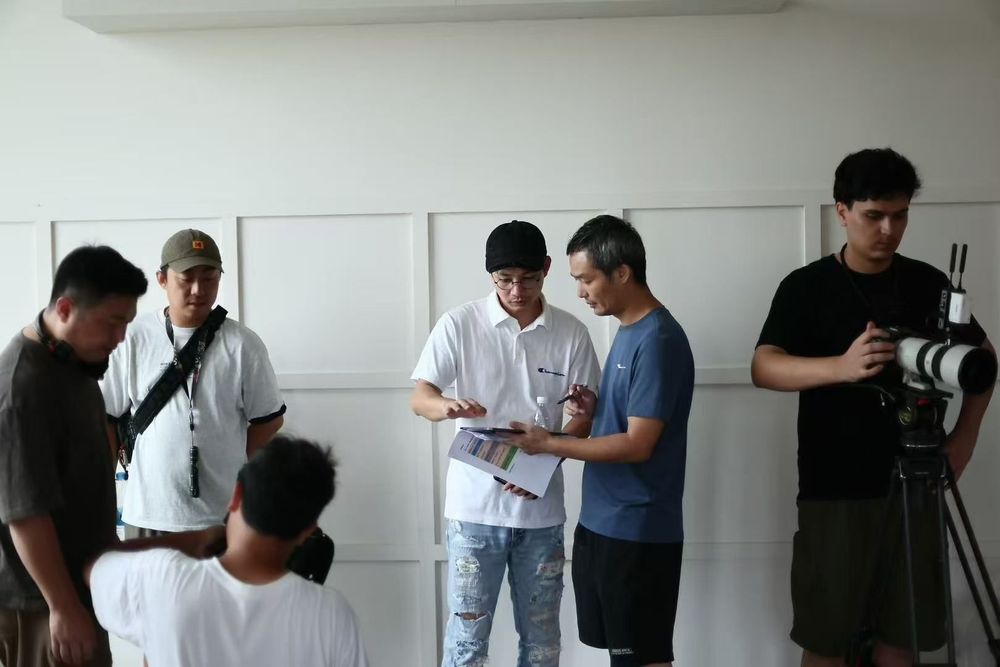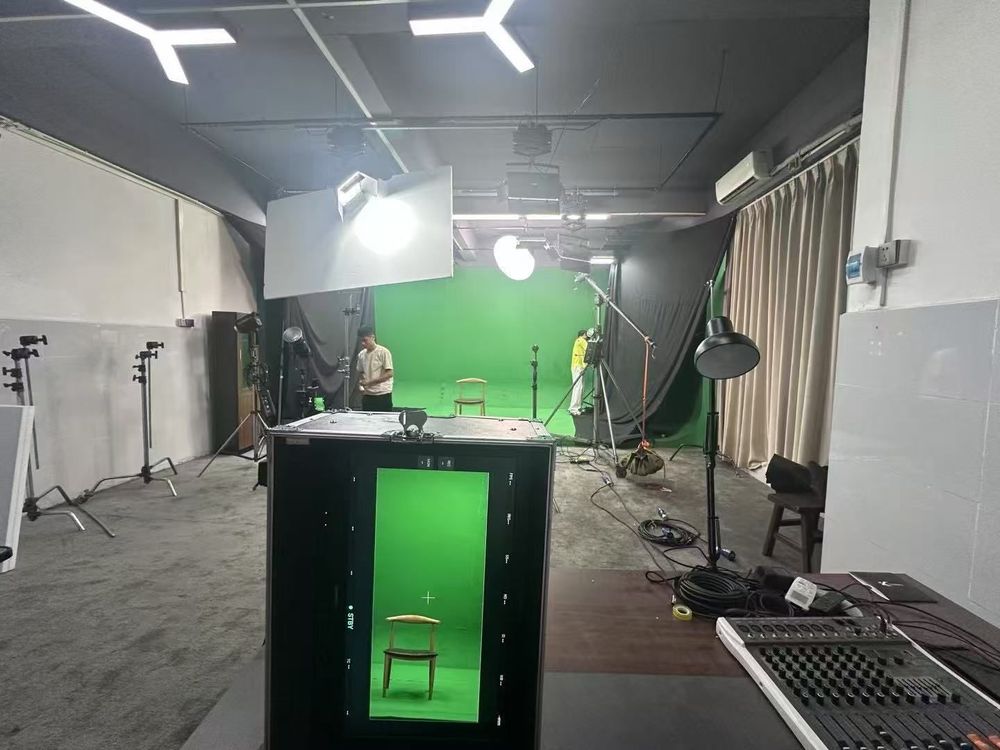
Fast generation, novel samples and many tools are attractive, but a supplier producing public corporate, advertising or product videos must explain AI use, input sources, human review, labels, corrections, deliverables and records.
Reliability means organising creative work, live action, generation, post-production, compliance and delivery into an inspectable process, rather than simply demonstrating tools.
1. Discuss communication goals before tools
A reliable supplier asks about audience, platforms, desired understanding and facts that must be accurate. Company history, specifications, capacity, identities, certifications and commitments require client confirmation, not acceptance because AI phrases them smoothly.
If a model is promised before the supplier understands the audience or use, ask about the creative rationale, which shots should be real, where generation helps and how acceptance will work.
2. Explain the boundaries of AI use
“AI video” may mean script assistance, storyboard previsualisation, generated images or voices, digital humans, virtual scenes or a hybrid with live action. These are different scopes.
Before production, identify stages, services, generated content entering the final film and required client inputs. Clear boundaries simplify rights, labels and version management.
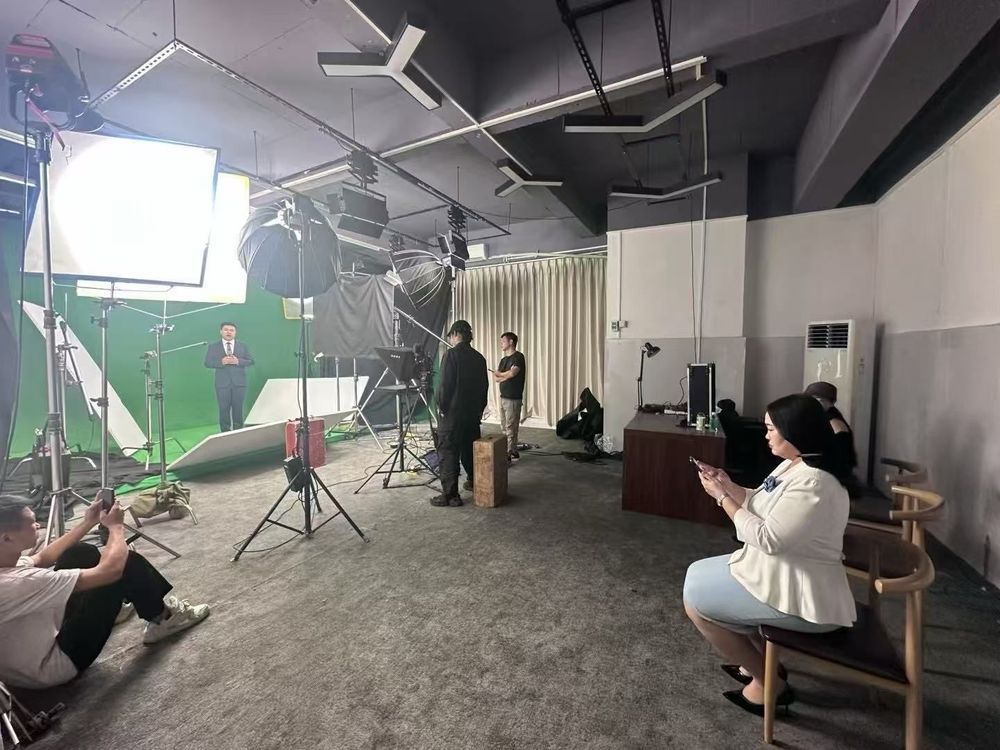
Business video often combines cameras, lighting, teleprompters, sound, monitoring and editing. AI stages should join the same system of checks, reviews and version records.
3. Check permissions and confidentiality proactively
Client materials may include portraits, employee voices, drawings, customer information, unreleased plans or internal data. Before processing, confirm generation permissions, likeness, voice, trademark, font, music, copyright, privacy and confidentiality issues, including third-party data handling.
Warning signs include unapproved external uploads of internal material, claims that tool capability guarantees commercial rights, and avoidance of questions about face replacement, voice imitation or brand permissions.
4. Define human-review stages
AI output does not replace fact-checking or professional review. The national cybersecurity standardisation committee's 19 May 2026 ethics guidance calls for oversight, intervention and correction, transparency, traceability and attention to data, privacy and intellectual-property risks.
Include script approval, sample review, fact and product checks, image and audio review and final publication approval. Name approvers, record revisions and identify who authorises the final version.
5. Understand labels and platform declarations
The labelling measures published on 14 March 2025 took effect on 1 September 2025, alongside GB 45438–2025 methods for explicit and implicit labels across text, images, audio, video and virtual scenes.
A reliable supplier should assess labels and declarations for the final content and channels and state them in deliverables. Advice to remove, alter, forge or hide required labels is a clear warning sign.
6. Deliver versions, responsibilities and traceable records
Specify horizontal, vertical, short, subtitled, multilingual and platform versions, technical requirements, revision scope, reviews, storage and future update responsibilities. Identify generated and synthetic shots.
The CAC's 30 April 2026 first-stage AI-misuse campaign announcement covered model registration, security assessments, training data, labelling and unauthorised face and voice replacement. Tool, asset, generation, revision and review records help with platform checks, updates and rights enquiries.
Six questions to ask a supplier
1. What communication problem does this solve, and why use AI, live action or both? 2. Which stages and final elements use AI? 3. How are client data, likenesses, voices, fonts, music and third-party permissions handled? 4. Who checks facts, products, defects and publication compliance? 5. What labels or declarations are needed? 6. Which versions, records and editable project materials are delivered?
Clear answers that can be written into an agreement, backed by a limited test, are more useful than impressive effects alone.
Five warning signs
• Claims that all AI outputs are free of rights or compliance risk. • Guaranteed traffic, enquiries or conversions. • Refusal to explain AI scope, sources or review. • Advice to remove labels or conceal generation. • Vague deliverables, correction responsibilities, fallback plans or storage arrangements.
Frequently asked questions
Should we choose an AI specialist or a traditional production company?
There is no universal answer. Assess whether the team can combine planning, live action, generation, editing and publishing around your goal, with clear responsibilities and acceptance criteria. Tools do not replace complete production capability.
Are samples enough to judge ability?
Samples show only part of the result. Ask what the supplier actually did, where assets came from, how production and review worked and what was delivered. Participation in a project does not establish responsibility for the entire production.
Is a test film useful?
Yes, with agreed goals, assets, permissions, specifications and evaluation criteria. It can test communication and workflow, but cannot guarantee identical results for every future subject.
Commercial and TVC production: https://raystudio.art/services/dongguan-guanggaopian
Related TVC case: https://raystudio.art/projects/vcmnohq5ki909csxzv3eqpx9
AI publishing checklist: https://raystudio.art/news/zy4y46mf66pchka2pg05qy78
AI-video contracts: https://raystudio.art/news/yzc9kmfp4fcddwktl34i3x5f
Project brief: https://raystudio.art/contact#project-brief-form
References and content note
GB 45438–2025, published 28 February 2025, effective 1 September 2025: https://openstd.samr.gov.cn/bzgk/std/newGbInfo?hcno=F32EA2A561F1886CD8D606513512D547 ; CAC labelling measures, published 14 March 2025, effective 1 September 2025: https://www.cac.gov.cn/2025-03/14/c_1743654684782215.htm ; AI ethics guidance, 19 May 2026, announcement 22 May: https://www.cac.gov.cn/2026-05/22/c_1781191242686496.htm ; CAC campaign announcement, 30 April 2026: https://www.cac.gov.cn/2026-04/30/c_1779289298718765.htm . Based on public official materials verifiable as of 8 September 2026 and RAY STUDIO workflows. The authorised green-screen production image illustrates cameras, lighting, prompting and monitoring; it does not establish AI use or identify people or clients.
This is not legal advice. Review the project's content, platforms, contract and currently effective requirements.
Prepared by the Guangdong RAY STUDIO production team.