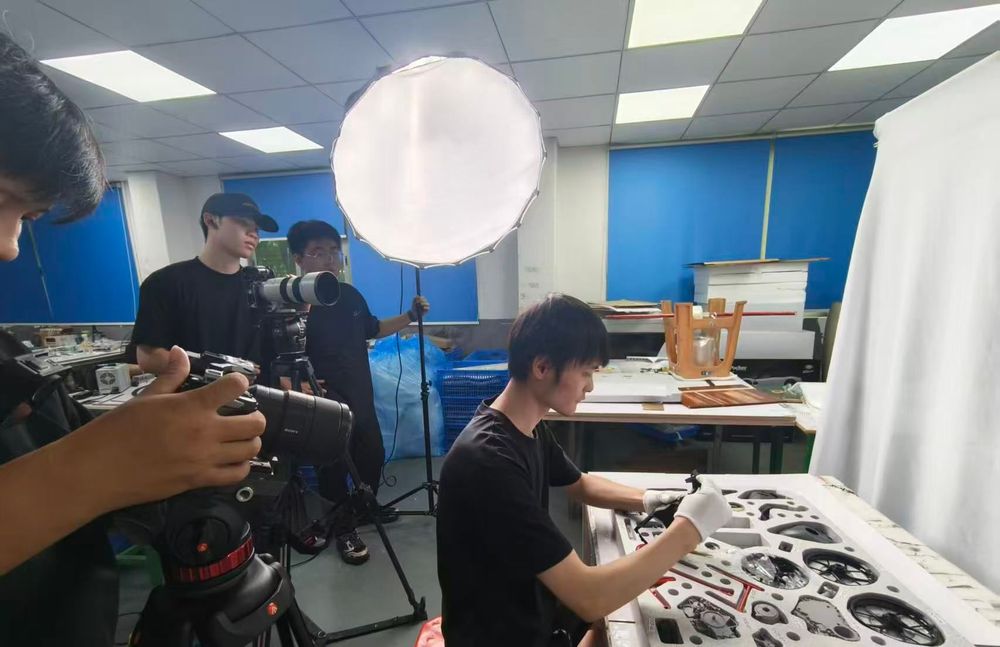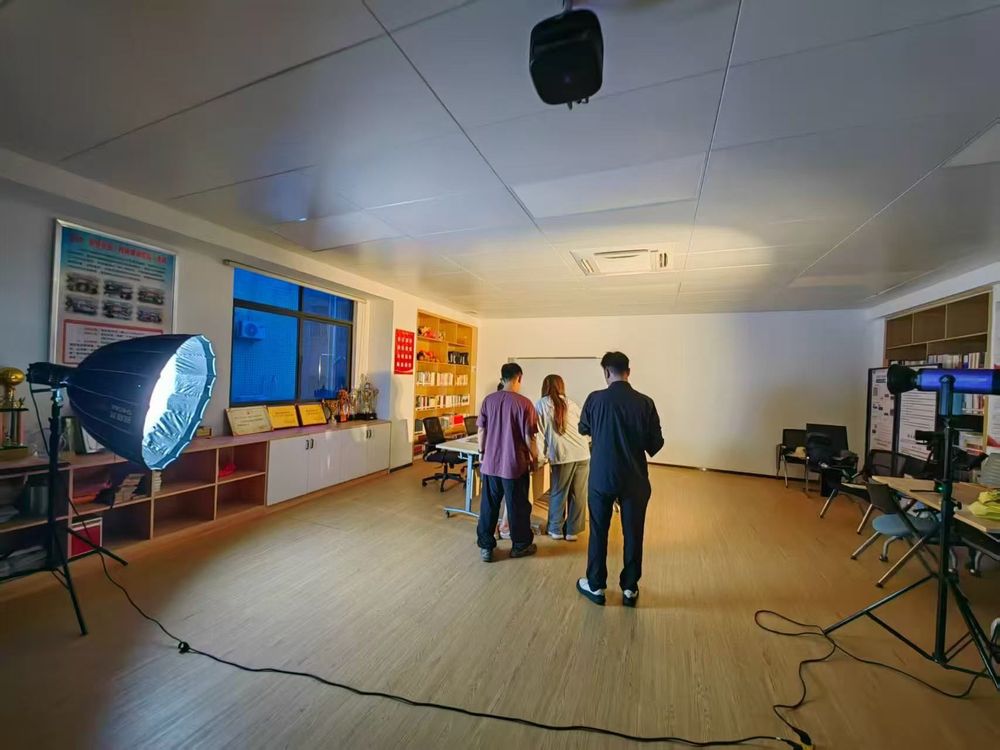
A company story needs more than a profile turned into narration with factory, meeting and product footage. Ask who will watch, what they should understand, and which real people and actions demonstrate it. These answers turn company information into a filmable, understandable and memorable story.
Scripts must anticipate people, actions, spaces and light so words can become concrete images on set.
A profile explains who you are; a video must also give people a reason to watch
Profiles list founding dates, activities, size, capabilities and ambitions. They are useful references but do not inherently create a narrative. Reading them over entrances, offices, production and group photographs can leave viewers with terminology but little understanding of the problems a business solves.
Choose a clear thread: why customers need a product, how staff perform a key step, why a leader holds a particular view, or how a team handles a challenge. Real choices, processes and changes create narrative without invented conflict.
Step 1: Define the audience and one central question
Customers, partners, applicants and employees need different stories. Summarise the aim: which audience should understand what after watching?
For prospects, explore use, service delivery or quality control. For branding, explore why the company entered its field, what it consistently values and how those choices appear in daily work. A film may contain many facts but should have one main narrative.
Step 2: Find filmable story units
Useful material contains people, tasks, actions, decisions and results. Instead of saying quality matters, show checks, issue records and coordination. Instead of claiming innovation, show discussion, testing, revision or application.
For each claim, ask who acts, what they do and what evidence can be filmed. Without verifiable support, do not present an advantage or result as established fact.
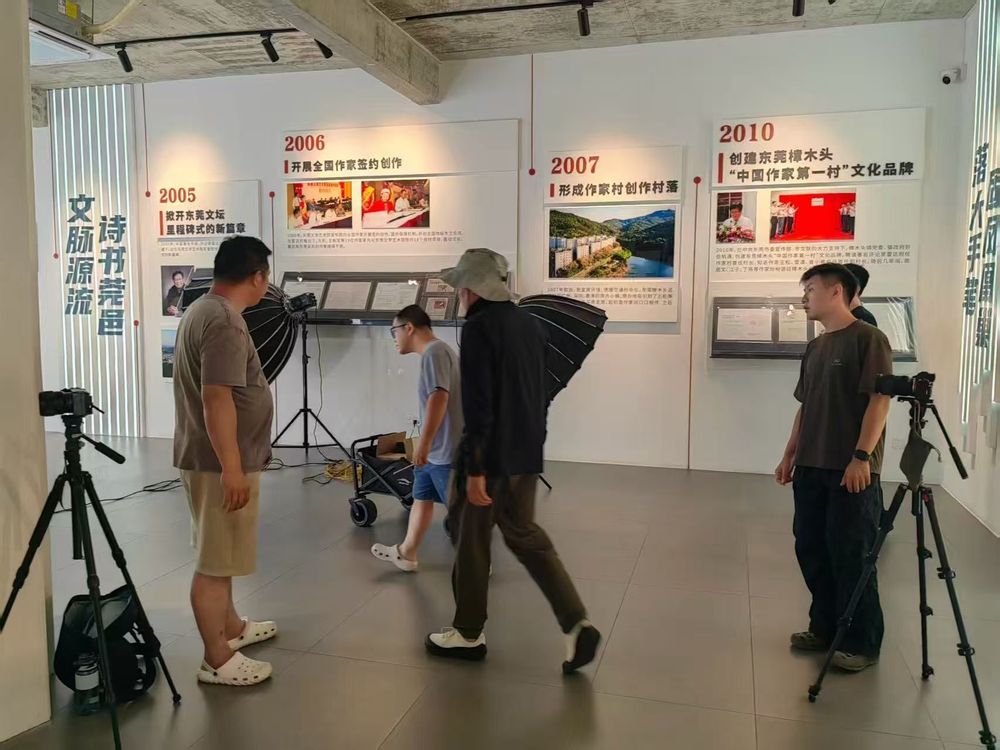
Real spaces, working details and verifiable materials provide visual evidence for a company story.
Step 3: Give narration, interviews and images distinct jobs
Narration provides background, dates and essential facts; interviews express experience, judgement and emotion; images show actions, environments and evidence. They need not repeat one another. A discussion of a business decision can be supported by relevant processes or historical records.
Use three script columns: sound, visible action and evidence. Ask who can credibly say each line, what will be filmed and what supports it. This exposes coverage gaps and helps clients verify facts and permissions before shooting.
Step 4: Organise the film around a problem, action and change
Rather than a sequence of years, show why the issue matters, how the company acts and what changes. Clearer processes, different collaboration, a product iteration or an enduring method can all provide a conclusion, supported by verifiable facts.
Open with an audience-relevant question, develop it through people and settings, and close with customer or industry value. Awards, statistics and history should support the main thread rather than overwhelm it.
Five pre-shoot script checks
1. Is the audience clear and the main question focused? 2. Does each important claim have real people, actions, settings or evidence? 3. Do narration, interviews and images play distinct roles? 4. Are locations, people, products, data and rights confirmed? 5. Can the schedule and sites support the shot list?
Resolve gaps through interviews, research or scouting before finalising the script. More preparation reduces improvised coverage and vague narration used to rescue an edit later.
Dongguan corporate film planning and production: https://raystudio.art/services/dongguan-xuanchuanpian
Client preparation checklist: https://raystudio.art/news/i015fgit47odn1ut7fuvcp52
Corporate film brief: https://raystudio.art/contact#project-brief-form
References and content note
Based on Guangdong RAY STUDIO's general corporate-film planning and filming methods, not a single client project. Two images supplied and authorised on 25 August 2026 illustrate production work only. No client names, locations, identities or results were inferred from them.
Prepared by the Guangdong RAY STUDIO production team.