Corporate film delivery should move from a vague 4K promise to an executable technical checklist. NRTA's 2026 mobile UHD distribution specification and discussions at the UHD forum and BIRTV2026 underline that capture, production, distribution, display and quality assurance form one chain.
Confirm delivery specifications before filming to avoid discovering incompatible formats, colour or platform versions at completion.
1. Distinguish production masters from publishing versions
Keep a high-quality master for archiving and revisions, plus versions encoded for websites, WeChat Channels, Douyin and exhibition screens. One file for everything can leave no vertical crop space, lose quality through recompression or display colours incorrectly.
For every version, specify resolution, aspect ratio, frame rate, container, video codec, audio, subtitles and purpose. Obtain playback specifications for LED screens, overseas platforms or internal systems before export.
2. Specify frame rate, colour and bit depth alongside 4K
GY/T 427–2026 concerns UHD distribution to mobile devices. Its recommended horizontal 4K HDR formats are 3840×2160 or 4096×2160 at 50 or 60 frames per second, progressive, with 4:2:0 or 4:2:2 chroma sampling and 10- or 12-bit depth, alongside colour-gamut, transfer-curve and HDR-metadata requirements.
These are not a universal contract template for every corporate film. They show why 4K alone is insufficient. Choose 25, 30, 50 or 60 fps, SDR or HDR, colour space and bit depth for actual playback. Do not produce HDR merely for the label without a complete monitoring and distribution workflow.
3. Include platform versions before the shoot
Websites, conference screens, exhibition loops, sales and vertical shorts need different formats and pacing. Plan vertical-safe shots, clean textless images, separable interview sections, subtitles and Chinese and English versions in advance.
Create a matrix with a channel per row and duration, aspect ratio, resolution, subtitles, ending, filename and delivery date per column. This reduces repeated late changes. See our multiple-version planning guide (https://raystudio.art/news/yejwje5irw0d52cdvmuui3be).

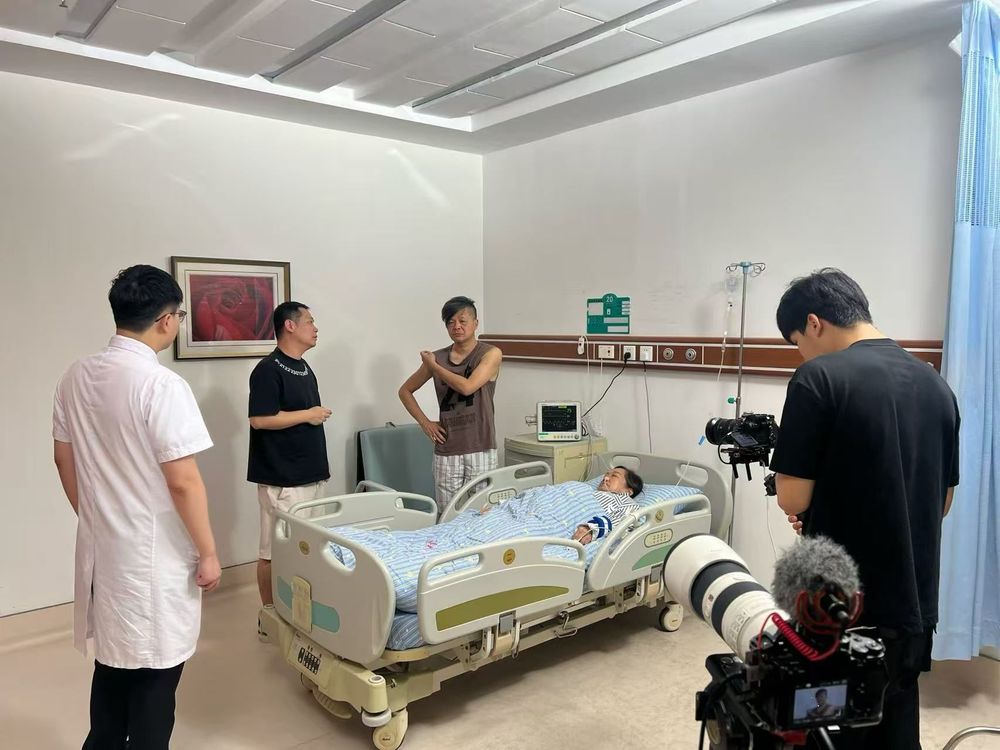
Agree intended use and delivery requirements before filming. This image illustrates coordination, not a particular 4K or HDR specification.
4. Acceptance involves more than opening the file
Check dimensions, frame rate, colour conversion, black or flashing frames, subtitle safe areas, clipping or channel problems in audio, and stable playback on target computers, phones and venue players. Verify titles, brands, model names, job titles, source data and licensed assets too.
Playable does not necessarily mean compliant with the agreed delivery. Approve a review encode first, then export the signed-off master and channel versions with revision records. Also read Why Shooting in 4K Does Not Automatically Make a Great Corporate Film (https://raystudio.art/news/ausrmy8an8lxu3ozb1yd6l8l).
5. Archiving determines future usefulness
Save masters, clean versions, subtitle files, covers, final copy and rights documents as agreed. Project files, audio stems and raw footage should be specified during quoting and contracting, not assumed as late additions.
Include project, language, format, version and date in filenames. Keep at least two independent copies of important masters and periodically verify readability so product, personnel or platform updates are easier.
UHD delivery should ensure accurate, stable presentation on target devices and room for future reuse. For production and delivery planning, see our Dongguan corporate film services (https://raystudio.art/services/dongguan-xuanchuanpian) or submit your requirements through the project brief form (https://raystudio.art/contact#project-brief-form) with intended uses and versions.
References and content note
NRTA, BIRTV2026 event announcement, 15 August 2026: https://www.nrta.gov.cn/art/2026/8/15/art_114_73840.html
NRTA, GY/T 427–2026, UHD Video Distribution Formats for Mobile Terminals, released 14 May 2026: https://www.nrta.gov.cn/module/download/downfile.jsp?classid=0&filename=ec1ff1c5dfbc49e7b0f3f75a8977792c.pdf&showname=%E3%80%8A%E9%9D%A2%E5%90%91%E7%A7%BB%E5%8A%A8%E7%BB%88%E7%AB%AF%E7%9A%84%E8%B6%85%E9%AB%98%E6%B8%85%E8%A7%86%E9%A2%91%E5%88%86%E5%8F%91%E6%A0%BC%E5%BC%8F%E8%A7%84%E8%8C%83%E3%80%8B.pdf
NRTA, CCBN2026 UHD forum, 24 April 2026: https://www.nrta.gov.cn/art/2026/4/24/art_112_73135.html
GY/T 427–2026 applies to mobile UHD distribution, not mandatory delivery for every corporate film. This article derives useful specification categories; actual values depend on platforms, devices and written agreements.
Two authorised, previously unpublished production images illustrate preparation and coordination only. No client, project, identity, location, date, equipment model or 4K/HDR workflow is inferred.
Prepared by the Guangdong RAY STUDIO production team.