When online audiovisual media reaches almost all internet users, businesses should build reusable content assets rather than focus only on releasing one film. A corporate master can also supply products, interviews, recruitment, exhibition loops, sales presentations and shorts. Long-term value depends on accurate storage, fast retrieval, lawful reuse and updates as the business changes.
The China Netcasting Services Association's 2026 report, released in April, put users at 1.099 billion by December 2025, market size at RMB 1.29 trillion and industry entities at 801,900. This indicates an established information channel, not guaranteed returns from every company's video spending. Plan around customer decisions, channels and business goals.
Nearly 1.1 billion users make video a routine information format
Customers, job applicants, distributors and partners may first encounter a company through video. Websites, WeChat Channels, Douyin, showrooms, business meetings and salespeople's phones serve different situations but can draw on the same planned library.
Judge a project by whether it creates reusable content, not only a finished film. Planning people, products, spaces, processes and details lets the company assemble new content over time instead of searching for missing footage for every channel.

Corporate shoots should reserve modular shots and different formats for websites, sales, recruitment and short video as well as the immediate film.
A long-term asset does not mean an unchanged film forever
Products, people and company information evolve. A lasting asset is an updatable system with a stable main narrative, replaceable time-sensitive information, retrievable footage and project files, and clear relationships between versions.
Put enduring values, capabilities and manufacturing processes in the master, with specifications, annual figures, awards and team information in separate modules. Update the relevant sections without rebuilding everything, preserving consistency and controlling scope.
Plan masters, modules and channel versions together
Organise delivery into three layers:
1. Master: complete storytelling for websites, showrooms, major meetings and brand introductions. 2. Modules: independent sections on products, processes, people, spaces, services or culture. 3. Channel versions: horizontal, vertical, short, silent-captioned and platform-specific outputs.
Shot lists should include context, processes, details, speakers and ambience beyond the script's minimum. Identify independent interview, demonstration and factory sections for future news, recruitment and customer communication.
Archiving and rights management make reuse possible
As agreed, retain high-quality masters, platform files, raw footage, project files, subtitles, music and font details, likeness and location permissions and final approvals. Name files by project, date, setting and person or shot category to avoid manual searching years later.
Before reuse, check permission scope, expiry, personnel changes, product status and approved messaging. Technical editability does not authorise every channel or period. Reconfirm material involving customers, staff, unreleased business and third-party rights.
Five questions before the next project
1. Which website, sales, recruitment and social uses must accompany the master? 2. Which information is stable and which figures or people need replaceable modules? 3. Are horizontal, vertical, short, subtitled and clean masters needed? 4. Who retains footage, projects, subtitles, permissions and version records? 5. Who maintains the content inventory and decides when to reshoot, update or retire material?
Frequently asked questions
Do we need a new shoot if we already have a corporate film?
Check whether branding, people, products, settings, figures and permissions remain valid. Reuse and supplement suitable material; consider a new master when the business or visual standard has changed substantially.
Is more raw footage always better?
No. Footage needs a business purpose, clear categories, names and rights information. Unstructured volume increases retrieval and maintenance costs; a planned library is more useful.
Can one shoot serve a corporate film and short videos?
Yes, if scripts, compositions, sound and on-site scheduling anticipate both. Horizontal masters and vertical shorts need different framing, pacing and expression; cropping later is not enough.
Corporate film production: https://raystudio.art/services/dongguan-xuanchuanpian
Short-video operations: https://raystudio.art/services/dongguan-douyin-daiyunying
Related reading on corporate video delivery standards: https://raystudio.art/news/sry6spvkidacqxkdezadp6x2
Project brief: https://raystudio.art/contact#project-brief-form
References and content note
China Netcasting Services Association, China Online Audiovisual Development Research Report 2026, released 20 April 2026: https://www.cnsa.cn/art/2026/4/20/art_2020_49023.html ; related data analysis, 24 April 2026: https://www.cnsa.cn/art/2026/4/24/art_1955_48731.html
This article reflects public industry data and production methods as of 28 September 2026. Industry totals do not measure any individual company's results or promise views, enquiries or sales.
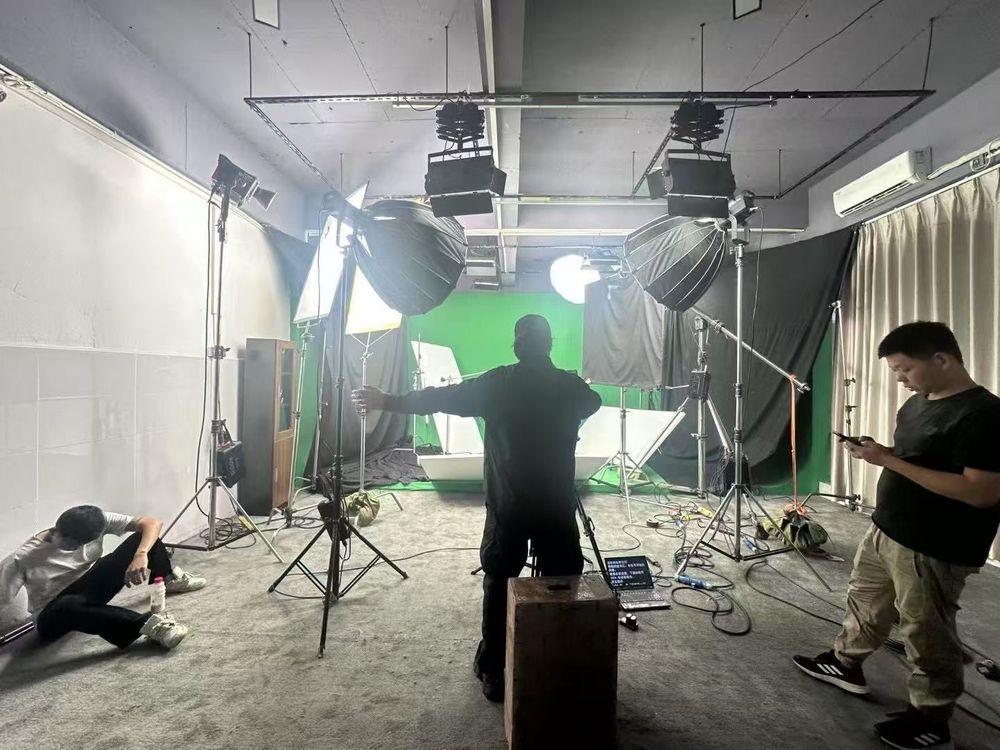
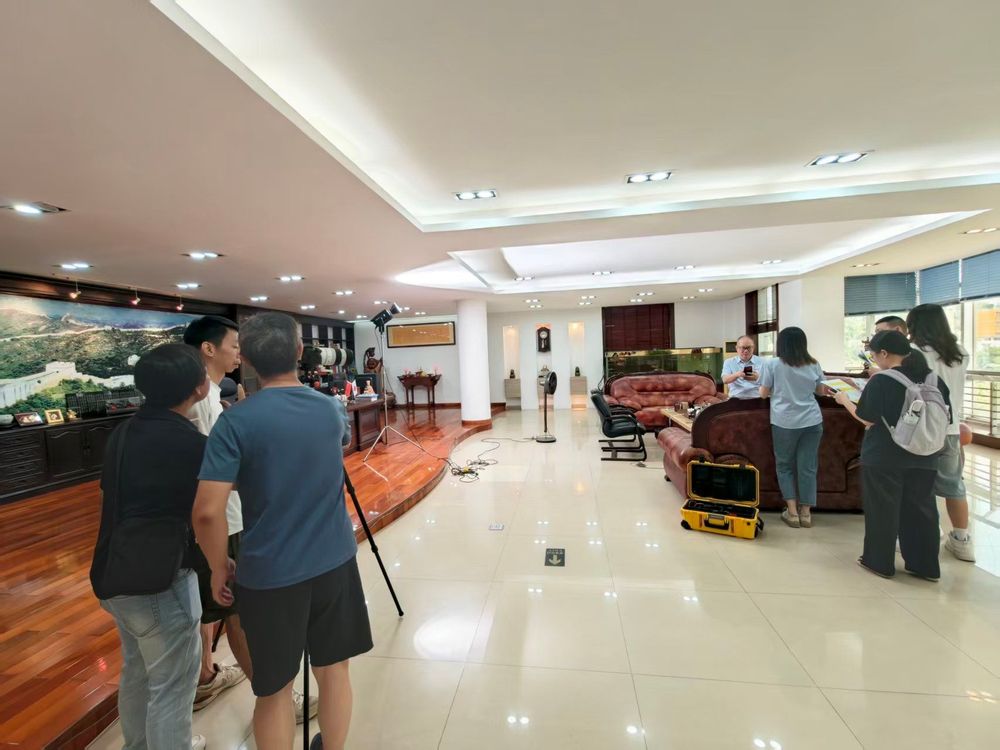
The image was supplied and authorised on 25 September 2026 as a production illustration. No client, project, location, identity or outcome is inferred.
Prepared by the Guangdong RAY STUDIO production team.